



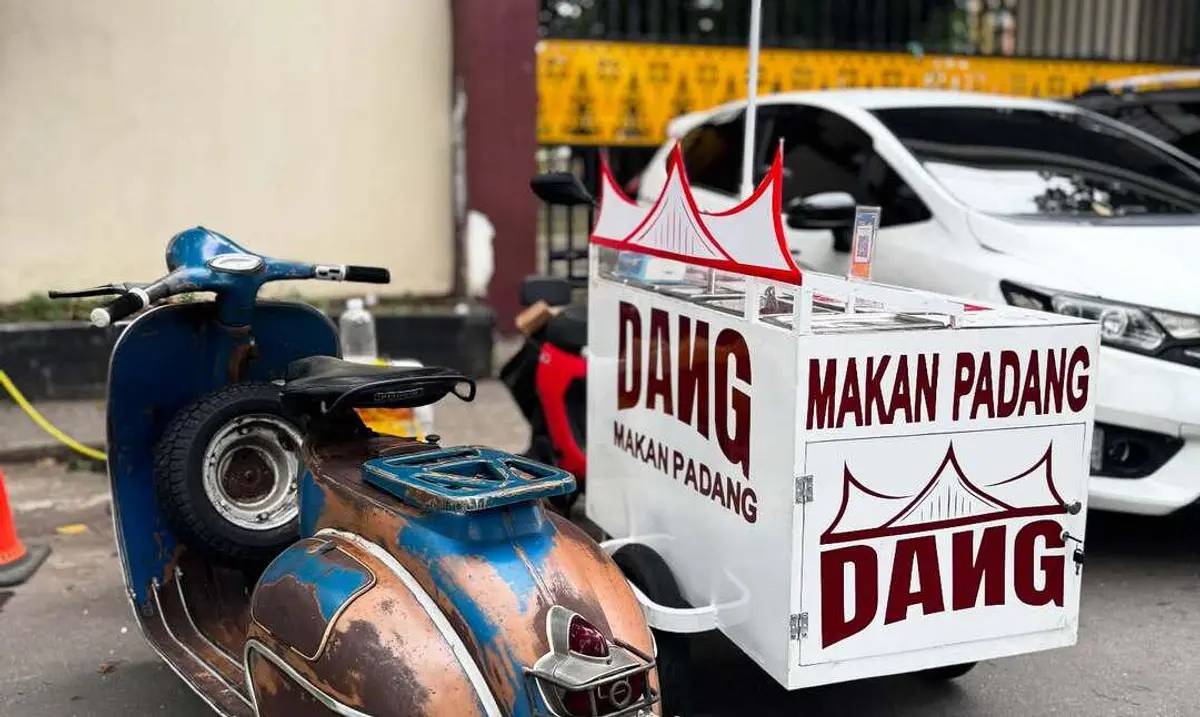
When it comes to running a food business, innovation is everything. From the product itself to how you market and sell it, creativity can be the key to success. In Indonesia, one culinary idea is currently going viral: “Dang Makan Padang” — a mobile Padang rice vendor that takes inspiration from the popular mobile coffee carts.
But here’s the twist: instead of coffee, he’s selling hearty Nasi Padang — a beloved Indonesian dish famous for its rich flavors and variety of side dishes. Sounds like a game changer, right? Let’s dive into the story, the menu, the prices, and why this could be an inspiration for food entrepreneurs worldwide.
1. The Rise of Mobile Coffee Carts
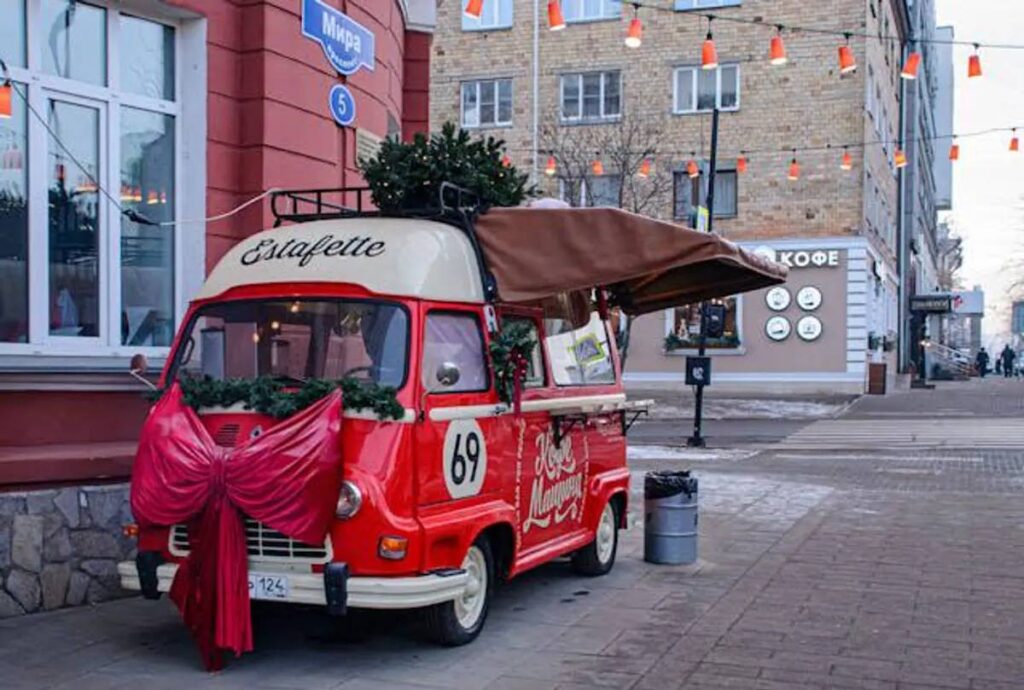
Coffee is more than just a drink in Indonesia — it’s part of everyday culture. Over the past few years, coffee shops have popped up on every corner, offering creative blends and unique concepts. But beyond cafés, there’s another phenomenon: mobile coffee carts.
These carts usually park near campuses, offices, or busy streets, serving not just plain black coffee but also lattes, americanos, cappuccinos, and even matcha or milk tea. The concept is simple but brilliant: bring the coffee to where people need it most.
2. From Coffee to Padang Rice: Meet “Dang Makan Padang”
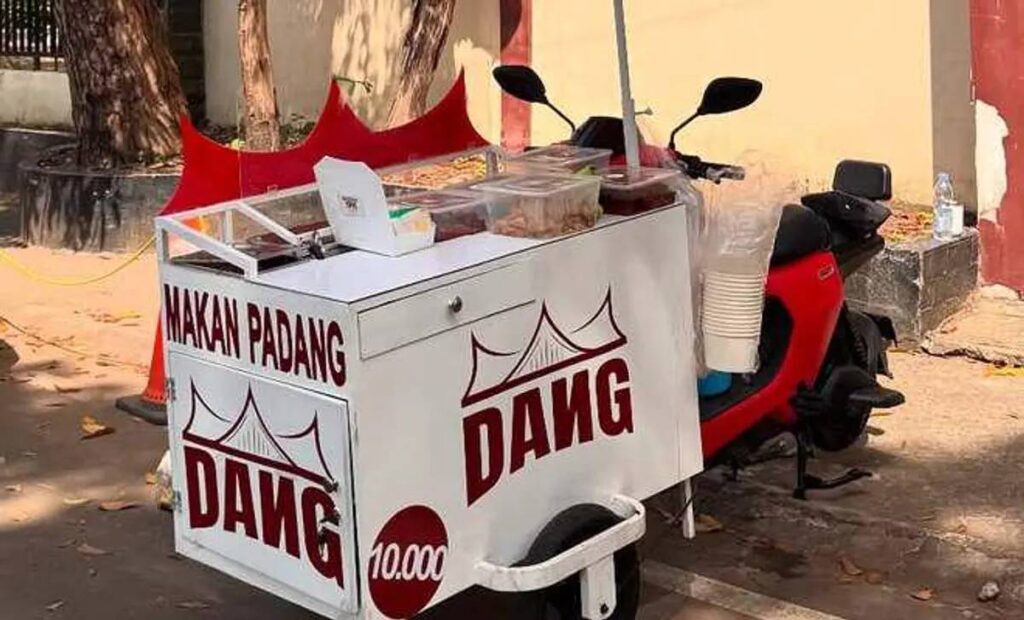
Inspired by the mobile coffee trend, Dino Prayogo, a 30-year-old from Palembang, South Sumatra, took the idea one step further. Instead of selling coffee, he transformed his electric bike into a mobile food cart serving Nasi Padang.
His cart, painted boldly in red and white, carries stainless steel containers filled with authentic Padang dishes. With the words “Dang Makan Padang” emblazoned on the side, it’s not just eye-catching but also instantly recognizable.
Dino doesn’t stick to one spot. On weekdays, he often sets up near the Governor’s Office in Palembang, while on weekends (Saturday and Sunday), you can usually find him around the Rajawali area.
It’s not just about convenience — it’s also about creating a buzz. Wherever Dino parks his cart, crowds follow.
3. What’s on the Menu?
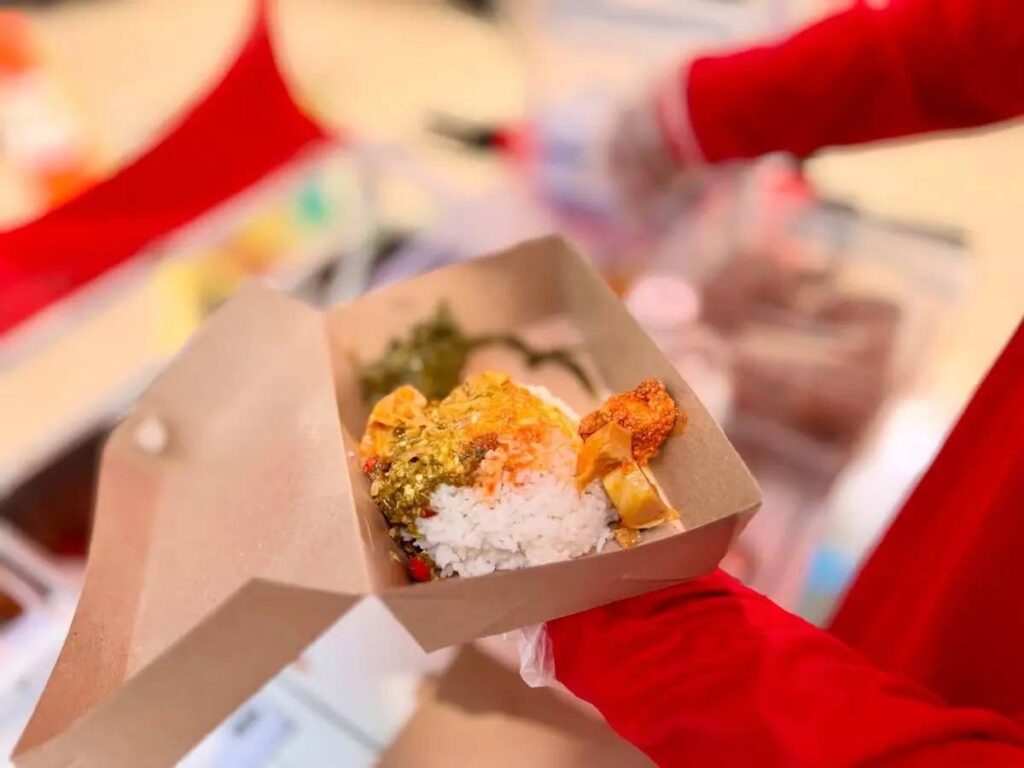
Here’s the exciting part: the menu is as authentic and mouth-watering as you’d expect from any Padang restaurant, but served straight from a mobile cart. And the best part? It’s affordable.
Main Dishes
- Nasi Dendeng Daging – Rp15,000 (~$0.95)
- Nasi Dendeng Paru – Rp16,000 (~$1.00)
- Nasi Rendang – Rp15,000 (~$0.95)
- Nasi Telur Dadar – Rp13,000 (~$0.80)
Add-ons
- Perkedel (Potato Fritter) – Rp2,000 (~$0.12)
- Extra Egg Omelet – Rp3,000 (~$0.19)
- Extra Dendeng Daging – Rp10,000 (~$0.63)
- Extra Dendeng Paru – Rp11,000 (~$0.70)
- Extra Rendang – Rp10,000 (~$0.63)
- Steamed Rice – Rp5,000 (~$0.32)
Drinks
- Mineral Water – Rp5,000 (~$0.32)
Why This Matters Beyond Indonesia
What Dino is doing is more than just selling Padang rice. He’s showing that street food can be innovative, mobile, and scalable. For global food entrepreneurs, this idea sparks a few takeaways:
- Adaptation is key. Mobile coffee carts are everywhere, but turning that model into a full-meal concept makes it stand out.
- Accessibility drives sales. By bringing the food directly to customers, Dino eliminates the barrier of location.
- Affordable pricing builds loyalty. His menu isn’t just tasty — it’s wallet-friendly, which keeps customers coming back.
Imagine this concept in other countries — a mobile taco stand in the U.S., a moving sushi cart in Japan, or a curry cart in the U.K. The possibilities are endless.
The success of “Dang Makan Padang” proves that innovation doesn’t always mean something high-tech. Sometimes, it’s about rethinking traditions and adding a fresh twist. With his red-and-white cart, Dino has turned a simple idea into a viral sensation, serving up not just food but also inspiration.
So, whether you’re a foodie curious about Indonesian cuisine or an entrepreneur looking for your next big idea, keep an eye on this trend. Who knows — the next mobile food sensation might just be yours.
