



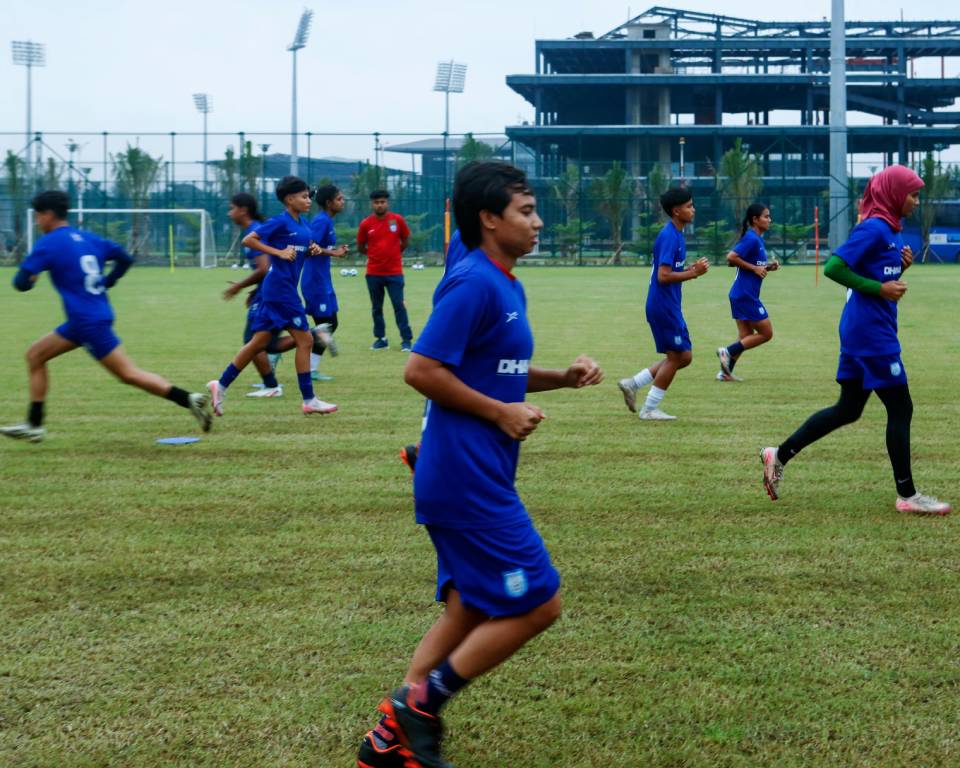
For the first time in history, the Bangladesh women’s national football team has secured their spot in the AFC Women’s Asian Cup. It’s more than just a sports headline — it’s a cultural milestone, a story of resilience, and a spark of hope for the next generation of athletes in Bangladesh.
Breaking New Ground in Asian Football
The journey wasn’t easy. For years, women’s football in Bangladesh has lived under the shadow of men’s sports, struggling with fewer resources, less media coverage, and limited infrastructure. Yet, against all odds, the women’s team has managed to dominate the qualifiers. Their disciplined play, tactical sharpness, and unshakable determination turned them into one of the most talked-about teams in South Asia.
This qualification is not just about making it to a prestigious tournament. It’s about rewriting Bangladesh’s name into the Asian football narrative. Their performance has also boosted their FIFA ranking, a recognition that reflects how much they’ve grown on the global stage.
The Voice of a Captain: Afeida Khandaker’s Vision
At the heart of this historic achievement is captain Afeida Khandaker, who has become more than just a leader on the pitch. In her interviews, she speaks of the bigger picture — inspiring young girls to dream fearlessly and proving that women belong in every arena, including sports traditionally dominated by men.
Her words resonate far beyond football:
“This is not just our win. It’s a victory for every girl in Bangladesh who has ever been told she can’t.”
That kind of leadership is powerful. It transforms a team’s achievement into a national movement.
Why This Moment Matters
The success of Bangladesh’s women’s team isn’t only about trophies or FIFA rankings. It’s about empowerment, representation, and national pride. In a society where many young girls still face restrictions in pursuing sports, this victory opens doors and changes conversations. Parents might think differently about letting their daughters chase football dreams. Communities might begin to see women in sports not as an exception but as a standard.
And for the nation as a whole, this qualification fuels a sense of unity. For a country often in the headlines for political struggles and economic challenges, this achievement is a reminder of what collective hope and effort can bring.
Looking Ahead to the Asian Cup
Qualifying is just the beginning. The AFC Women’s Asian Cup will be a much bigger stage, with fierce competition from some of the best teams in the world. But whether they advance deep into the tournament or not, Bangladesh has already won something greater: credibility and respect.
Their presence in the Cup means young fans will see the red and green flag on one of Asia’s biggest football stages. It means Bangladesh will no longer just be a hopeful underdog — they will be a competitor, a contender, and a team to watch.
More Than a Game
This achievement will likely echo for years. It’s a story that transcends football and becomes part of Bangladesh’s cultural identity. Sports have always had the power to inspire social change, and this moment is proof of it. The Bangladesh women’s team has turned the pitch into a platform for empowerment, rewriting what is possible for women in the country.
As the nation rallies behind its heroines, one thing is clear: this is not just about qualifying for a tournament. This is about a future where young girls grow up knowing that no dream is too big, no field off-limits, and no victory out of reach.
