


When people hear the term water hyacinth, what usually comes to mind? For many, it’s just a floating aquatic plant, or worse—a stubborn weed that chokes rivers and lakes. In fact, water hyacinth often makes headlines in Indonesia for all the wrong reasons. Every rainy season, this plant multiplies rapidly, covering water surfaces like Rawa Pening in Central Java. It clogs rivers, slows down irrigation flows, and becomes a headache for local communities.
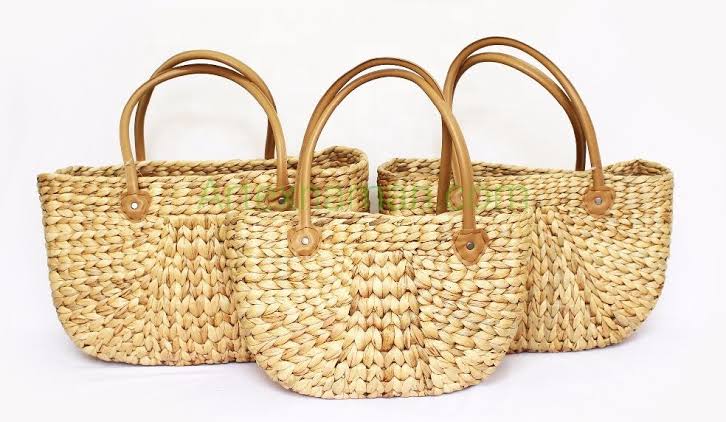
But behind its negative reputation lies an untapped potential. This same plant—scientifically known as Pontederia crassipes—is now being transformed into eco-friendly crafts and fashion items, most notably water hyacinth bags. And here’s the surprising part: the global market is hungry for them. In fact, water hyacinth bags from Indonesia are finding their way into shops and boutiques across Asia, Europe, and even the United States.
This article dives deep into the story of water hyacinth bags: their background, how they’re made, why they’ve become an attractive export commodity, and how local communities are turning an environmental problem into a profitable business opportunity.
From Nuisance to Opportunity: The Story of Water Hyacinth
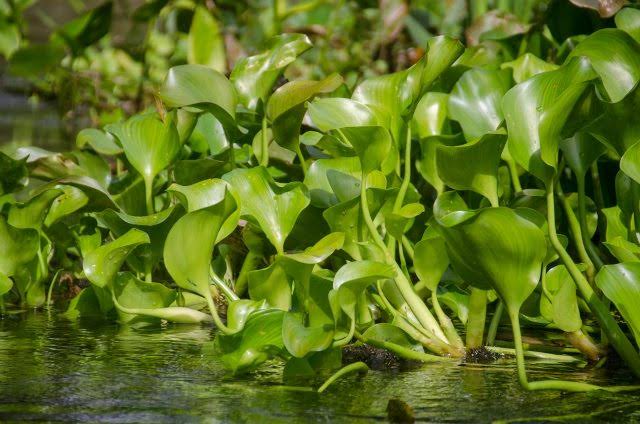
Water hyacinth is infamous for its explosive growth. The plant can double its population in just a couple of weeks, spreading through waterways and suffocating aquatic ecosystems. It reduces oxygen levels in the water, disrupts fisheries, and accelerates sedimentation when it dies and sinks to the bottom. In short, it’s often labeled as an enemy of rivers and lakes.
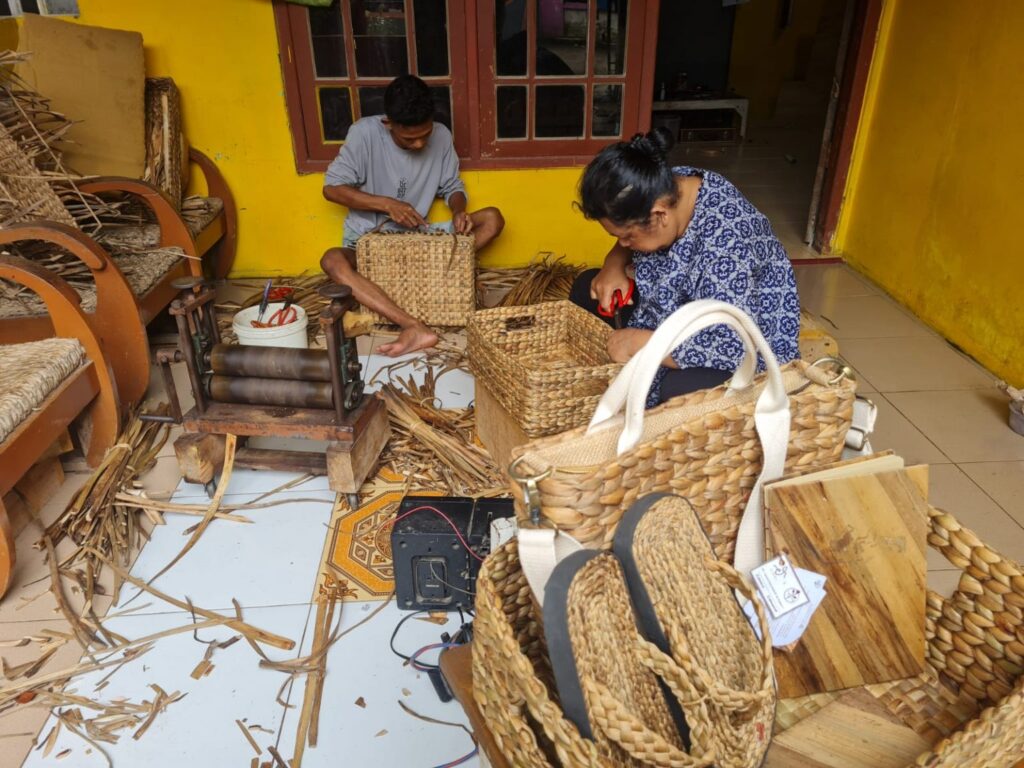
But communities living near affected areas have learned to see beyond the problem. In places like Rawa Pening, Banyubiru, and other parts of Java, locals began harvesting water hyacinth not just as waste removal but as a source of livelihood. When dried, its long stems transform into a strong, fibrous material. With the right techniques, artisans weave it into baskets, mats, furniture, and of course, bags. The dried stems resemble rattan in appearance but are lighter and easier to handle.
Instead of letting the plant rot in waterways, villagers dry it under the sun, cut it into strips, and braid it into strands. These strands are then woven into stylish handbags, tote bags, and even home décor items. The result? A rustic, natural aesthetic that appeals to eco-conscious consumers worldwide.
Why Water Hyacinth Bags Are in Demand
The global fashion and lifestyle industry has shifted dramatically in recent years. Consumers are becoming more aware of sustainability, ethical sourcing, and eco-friendly products. This is where water hyacinth bags fit perfectly.
Unlike synthetic leather or plastic-based products, water hyacinth bags are 100% natural and biodegradable. They carry the same rustic charm as rattan or bamboo but with a softer, more versatile texture. In design terms, they match well with bohemian, rustic, and eco-luxury styles, making them a hit among environmentally conscious millennials and Gen Z shoppers.
The durability of these bags is also impressive. When crafted properly, water hyacinth products last for years. They are lightweight, easy to maintain, and resistant to daily wear. With proper care—such as keeping them dry and clean—consumers can enjoy them without worry. This combination of functionality, sustainability, and style has given water hyacinth bags a competitive edge in international markets.
Indonesia’s Advantage in the Water Hyacinth Industry
Indonesia holds a unique position in this industry. The country’s tropical climate and abundant water bodies create the perfect conditions for water hyacinth growth. While the plant is often seen as an ecological problem, it also means Indonesia has a virtually limitless supply of raw material.
But abundance alone isn’t enough. What makes Indonesia stand out is the craftsmanship of its artisans. From Yogyakarta to Makassar, local communities have developed weaving traditions for generations. Combining this skill with water hyacinth as a raw material has created products that are not only functional but also rich in cultural value.
Moreover, the Indonesian government is actively supporting green and sustainable exports. Programs promoting eco-friendly handicrafts are growing, aligning with global demand for environmentally friendly products. According to the Ministry of Trade, Indonesia’s handicraft exports in 2023 were valued at over US$626 million, making it one of the top exporters globally. Water hyacinth bags, though a niche segment, are riding this wave of opportunity.
Stories of Success: Local Brands Going Global
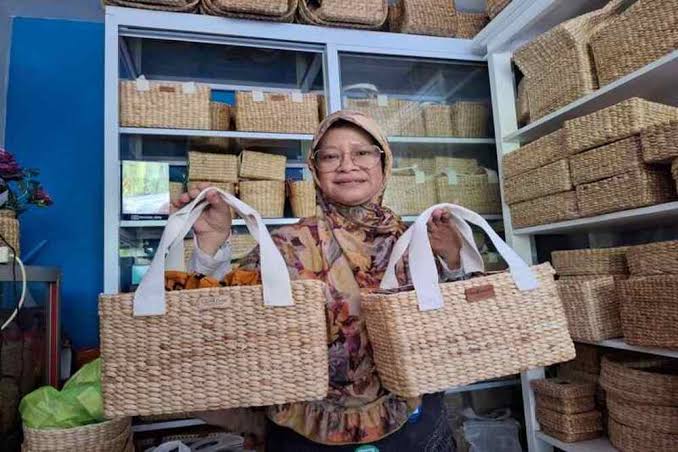
One of the most inspiring aspects of this industry is how ordinary people have turned water hyacinth into extraordinary opportunities. Take the example of Elsa in Makassar. What began as a small weaving initiative in 2017 grew into Rumah Anyam Mandiri, a thriving small business. Even after the pandemic disrupted operations, Elsa rebuilt her business and now exports her water hyacinth bags to countries as far as Finland, South Africa, and Malaysia. Her story proves that small-scale producers can make it big in the international arena.
Another case is Indra from West Java, who was concerned about the environmental damage caused by water hyacinth in the Citarum River. Instead of just complaining, he founded the Bening Saguling Foundation, turning the invasive plant into school bags, shoes, and decorative items. His products now generate around Rp10 million a month, showing how environmental action can also become economic empowerment.
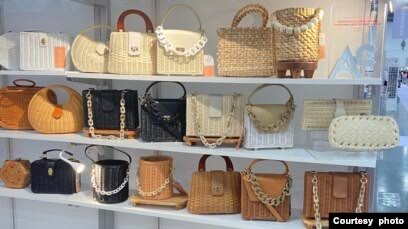
Perhaps the most fascinating story is that of Emelie Conroy, an Indonesian diaspora living in California. Inspired by water hyacinth crafts she encountered in Bali, she launched Everina, a sustainable fashion brand in the US. Everina collaborates with Indonesian artisans to produce handmade bags that are now sold in high-end boutiques, including those in Ritz Carlton hotels. By bridging Indonesian craftsmanship with the global sustainable fashion trend, Emelie has put water hyacinth bags on the international style map.
Challenges in Expanding Water Hyacinth Exports
Despite its potential, the water hyacinth bag industry faces several challenges. First, the production process requires consistency and quality control. Since the material is organic, improper drying or weaving can lead to mold or weakened fibers. Maintaining international standards is crucial to winning long-term customers abroad.
Second, marketing and branding are essential. Many small producers struggle with digital promotion and international trade logistics. Without strong branding, water hyacinth bags risk being undervalued or overlooked in competitive global markets.
Third, scaling production while keeping it sustainable is a delicate balance. Overharvesting can harm local ecosystems, while underutilization leaves waterways clogged. Finding the right balance between ecological management and business growth is key.
Yet, these challenges are not insurmountable. With the right training, government support, and exposure through trade fairs and online platforms, Indonesian producers can strengthen their position in the eco-friendly fashion industry.
Why the Global Market Loves Eco-Friendly Bags
The rise of eco-conscious lifestyles is more than just a trend—it’s a global shift. According to reports, sustainable products are seeing double-digit growth in international markets. Consumers in the United States, Europe, Japan, and Australia are especially drawn to goods that tell a story: not only of craftsmanship but also of positive environmental and social impact.
Water hyacinth bags tick all the boxes. They are made from renewable resources, support local artisans, and reduce the environmental burden of invasive plants. On top of that, they are stylish and versatile. For many consumers, buying a water hyacinth bag isn’t just about owning a fashion item—it’s about making a conscious choice for the planet.
The Future of Water Hyacinth Bag Exports
Looking ahead, the potential for water hyacinth bags in the global market is immense. With sustainable fashion continuing to rise, Indonesian artisans and entrepreneurs have an opportunity to position themselves as leaders in this niche. By leveraging digital platforms like Etsy, Amazon Handmade, and social media, small businesses can connect directly with eco-conscious buyers worldwide.
Collaboration with designers and fashion houses can also elevate water hyacinth bags from traditional crafts to high-fashion statements. Imagine Indonesian-made eco-bags showcased on international runways or featured in sustainable fashion campaigns—it’s not a far-fetched dream.
The government’s support for green exports further strengthens this outlook. With policies encouraging environmentally friendly industries, Indonesian entrepreneurs can scale their businesses while maintaining ecological balance.
Conclusion: Turning Weeds into Wealth
What was once dismissed as a nuisance plant is now proving to be a golden opportunity for Indonesia. Water hyacinth bags are more than just accessories—they are symbols of resilience, creativity, and sustainability. They represent how communities can turn environmental challenges into economic advantages while contributing to the global green movement.
For Indonesian small businesses, this is the time to act. The world is paying attention to eco-friendly, handmade, and sustainable products. By embracing water hyacinth as a resource, entrepreneurs can not only uplift their communities but also secure a place in the global market.
In the end, the story of water hyacinth bags is a reminder that sometimes, solutions to our biggest problems are floating right in front of us—literally.
