



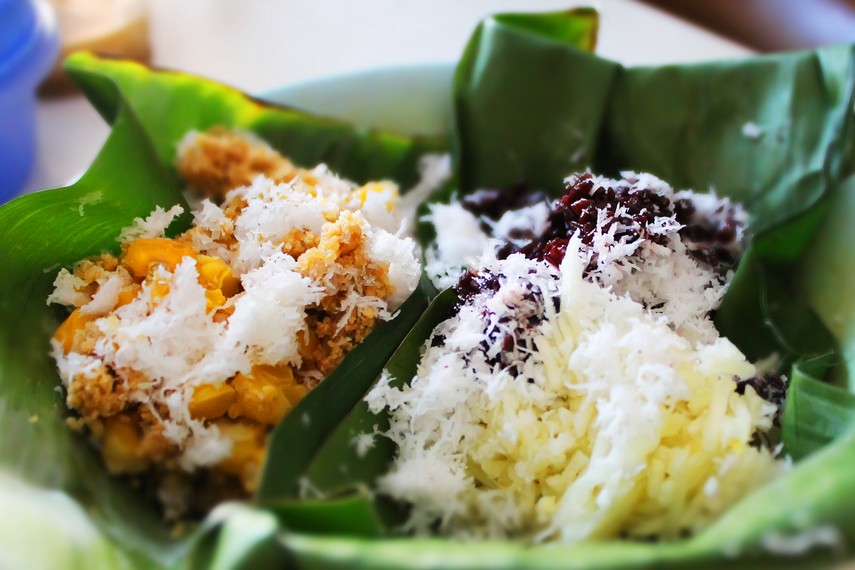
Today, tiwul is known as a humble yet beloved Indonesian market snack. You can easily find it in many regions, especially in Central Java and Yogyakarta. It’s usually sold in traditional markets from the crack of dawn until late morning. With its small portions and naturally sweet taste, tiwul makes the perfect light breakfast or mid-morning treat.
But tiwul wasn’t always just a snack. If we trace back its history, tiwul was once a main staple food for many Indonesians during hard times. Made from cassava, it became a substitute for rice when rice prices soared beyond reach. This happened during the Japanese colonial era and again in the 1960s economic crisis. Back then, tiwul was eaten just like rice—paired with vegetables, side dishes, and sambal.
From Survival Food to Sweet Treat
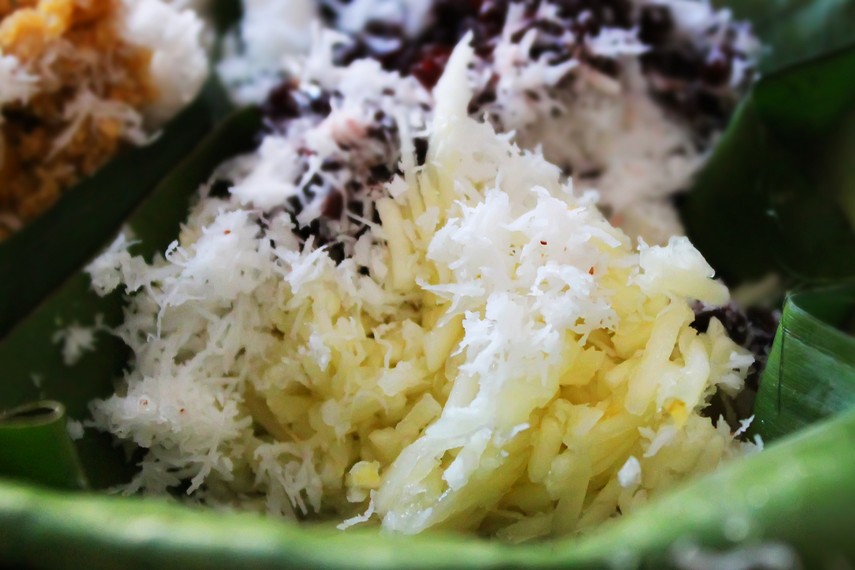
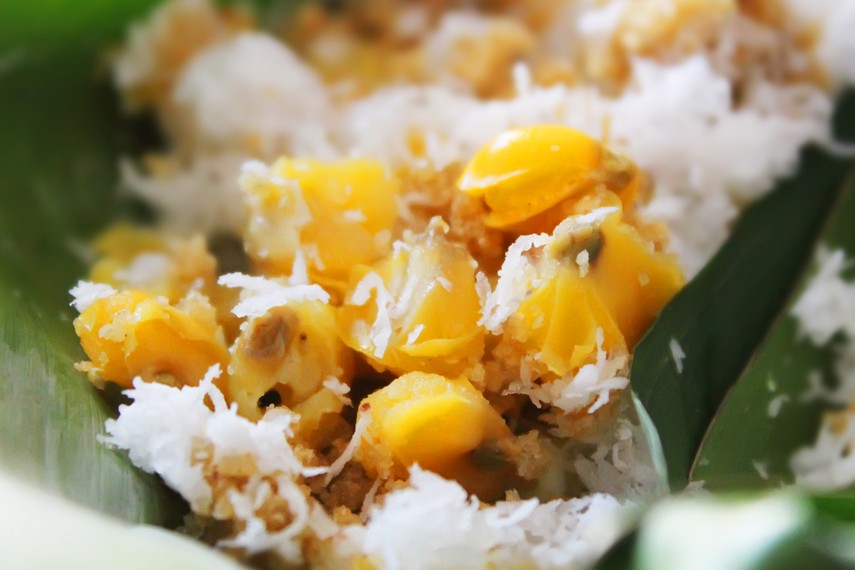
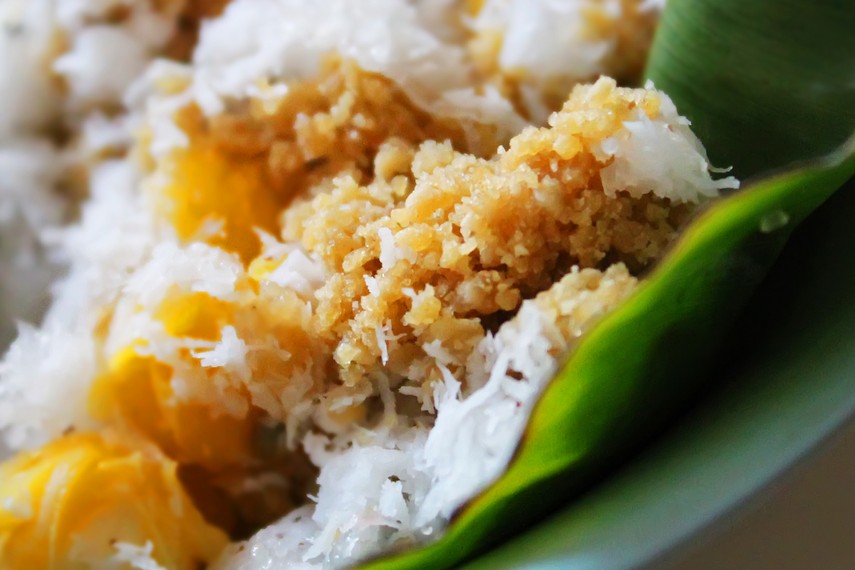
The way tiwul is enjoyed today is very different from the past. Instead of being a plain rice substitute, it’s now served as a sweet snack topped with grated coconut and drizzled with melted palm sugar. Some variations even mix in black sticky rice, boiled corn kernels, or shredded boiled cassava for extra texture and flavor.
How Tiwul is Made
Tiwul starts with gaplek, dried cassava that’s been left under the sun until fully dehydrated. The gaplek is ground into a coarse flour, then steamed until cooked and fluffy. When eaten as a staple food, tiwul is typically served with sayur lombok ijo (green chili vegetable dish), fried tempe gembus, and spicy sambal.
A Taste of the Past, Enjoyed Today
From being a symbol of hardship to becoming a nostalgic comfort food, tiwul is a perfect example of how traditional dishes can adapt and survive through generations. Whether you enjoy it plain or with sweet toppings, tiwul is more than just a snack—it’s a bite of history on your plate.
