




When Europe Feels Like the Sahara
This week, Germany isn’t just warm – it’s sizzling. Thanks to a high-pressure system named Julia pulling hot air from the Sahara, temperatures are climbing close to 40°C in cities like Frankfurt, Karlsruhe, and Cologne. That’s hotter than popular holiday spots like Mallorca, Malta, or Sardinia.
For most Europeans, that kind of heat is a shock. People scramble for shade, supermarkets run out of fans, and local pools suddenly look like music festivals. But on the other side of the world, in tropical Indonesia, this kind of warmth isn’t a one-off – it’s an everyday companion.
The Tropical Normal

Indonesia sits right on the equator, so “summer” isn’t a season – it’s a lifestyle. Average daytime temperatures range from 27°C to 34°C year-round, with occasional spikes up to 38°C during the dry season. The difference? We’ve adapted to it.
While a 39°C day in Berlin might mean sweating through your shirt in the city center, in Indonesia it’s just another day for sipping iced coconut water by the beach.
Humidity: The Silent Player

If you’ve never been to Southeast Asia, you might think heat is heat. But here’s the thing – Indonesia’s warmth comes with high humidity, often above 70%. That means the heat can feel heavier, but also less “burning” than dry desert air.
In Europe’s current heatwave, the dryness can be deceptive – you might not feel yourself sweating as much, but dehydration hits faster. In Indonesia, you sweat instantly, which is your body’s natural cooling system at work.
How Indonesia Handles the Heat

Here are a few ways people in tropical climates keep cool – lessons that might help Germany survive this record-breaking week:
- Shade is sacred. You’ll find locals avoiding direct midday sun. In Bali, afternoon beach walks usually happen after 4 PM.
- Cold drinks rule. From iced tea to fresh sugarcane juice, hydration is a national obsession.
- Light clothing. Loose, breathable fabrics are the go-to – synthetic tight fits are a big no-no.
- Siesta culture. Midday is for slowing down. Work hard in the morning, rest when the sun’s at its peak, then get active again in the evening.
Why Tropical Heat Feels Different
The funny thing is, many European visitors to Indonesia say, “It’s hot, but it’s nice.” Why? Because tropical destinations are built for it. Houses are designed with airflow in mind, outdoor cafés have fans or breezes, and there’s almost always water nearby – be it a pool, river, or the sea.
Compare that to a German city during a heatwave – office buildings without AC, trams turning into ovens, and streets reflecting heat back at you. That’s not a holiday vibe; that’s survival mode.
When the Heat Becomes a Reason to Travel
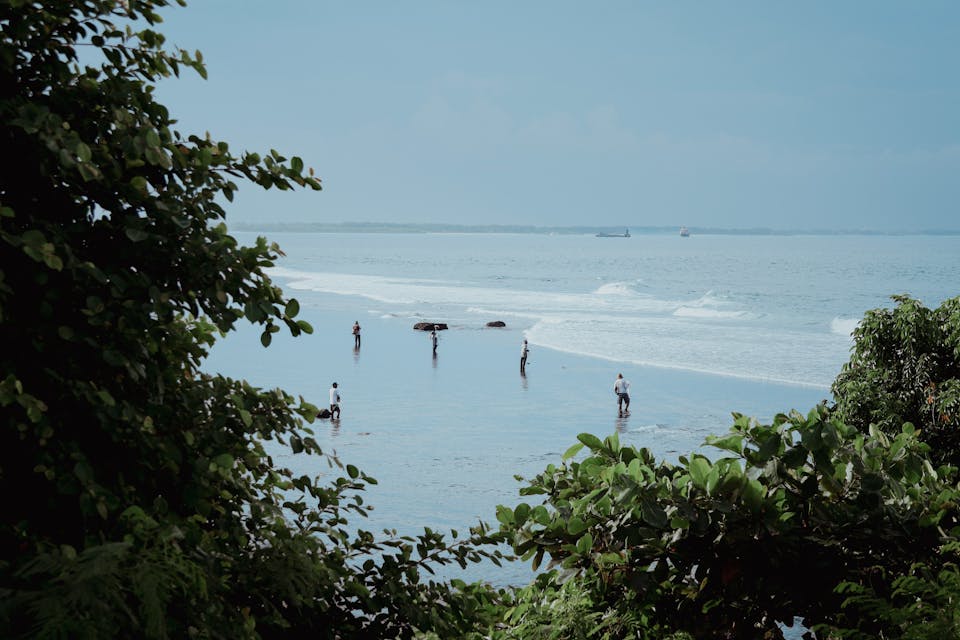
For Europeans currently melting under Hoch Julia, there’s an ironic twist: your dream summer escape might be to somewhere cooler than your home city right now.
Believe it or not, certain Indonesian destinations can feel more refreshing than a 40°C afternoon in Frankfurt. For example:
- Bali’s beaches often enjoy sea breezes that keep temperatures around 30–32°C.
- Lake Toba in Sumatra stays mild thanks to its elevation.
- The highlands of Java (like Dieng Plateau) can drop to a chilly 15°C at night.
From Heatwave to Heat Wisdom
Germany’s current weather is a wake-up call that extreme heat is becoming more common everywhere. In Indonesia, we’ve learned to live with it – and even make it part of our identity. Sunsets on the beach, afternoon naps, iced drinks at roadside stalls – these are not just coping mechanisms, but joys of the tropical life.
So if you’re in Germany right now, sweating through this record-breaking week, here’s a thought: maybe the best way to handle the heat… is to learn from those who live in it all year long. And hey, if you can’t beat it, you might as well book that Bali trip.
