



When people talk about coffee, they usually picture freshly brewed cups, aromatic beans, trendy cafes, and sleepy mornings transformed by a caffeine kick. But beyond the coffee beans lies something often overlooked: coffee wood—a byproduct of coffee plantations that’s quietly gaining attention for its surprising value and versatility.
What Is Coffee Wood?
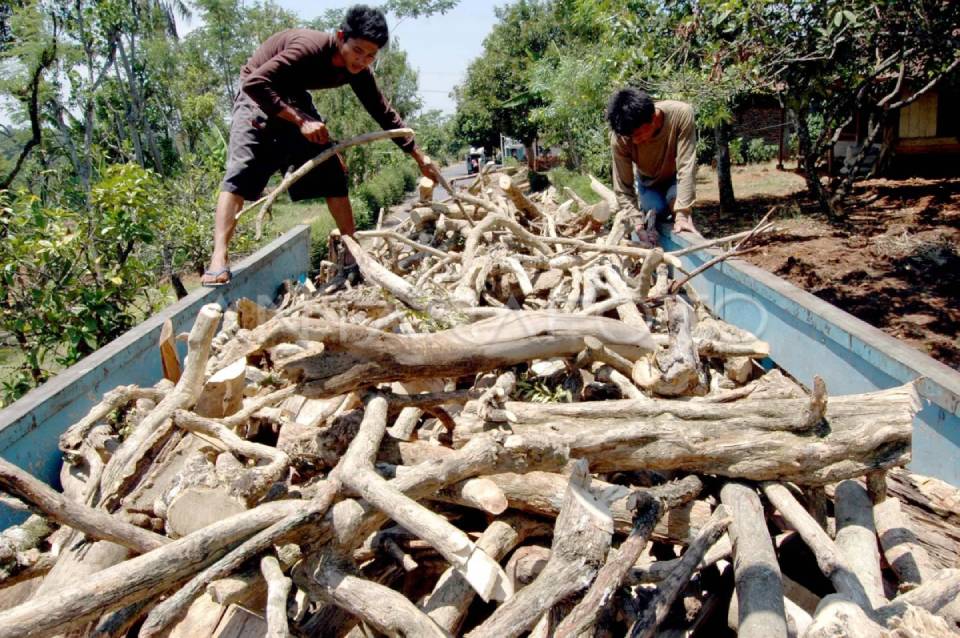
Coffee wood comes from the branches and trunks of the Coffea plant, the same shrubs that produce the beans we all love. Unlike fast-growing trees planted purely for lumber, coffee trees are pruned or replaced regularly after 15 to 20 years of productivity. When these old trees are removed, they don’t just rot away or become firewood (although many still are). Instead, this wood—once considered agricultural waste—is now being recognized as a sustainable, durable, and beautiful resource.
A Byproduct That’s Anything but Waste
In many parts of the world, especially in coffee-producing countries like Indonesia, Vietnam, Ethiopia, and Brazil, coffee wood has traditionally been burned as fuel. But as sustainability becomes more than just a buzzword, innovators and artisans are beginning to explore coffee wood’s untapped potential.
Here’s the thing: coffee wood is dense, hard, richly textured, and naturally resistant to pests. It might not be as thick or tall as traditional timber trees like teak or mahogany, but what it lacks in size, it makes up for in quality and charm.
Where Coffee Wood Shines: Everyday and Niche Uses
1. Pet Chew Toys
One of the biggest booms in coffee wood use has come from the pet industry. Natural dog chew sticks made from coffee wood are increasingly popular. Why? Because they don’t splinter easily, have no artificial chemicals, and last long enough to satisfy dogs’ chewing instincts.
Pet owners are becoming more conscious of what their animals consume. Coffee wood offers a natural, ethical alternative to plastic-based chews or rubber toys.
2. Kitchen Utensils and Handicrafts
Another rising trend is turning coffee wood into kitchenware—spoons, forks, cutting boards, coasters, and serving trays. These handmade items often carry a rustic, earthy aesthetic, which appeals to eco-conscious consumers and interior designers alike. Plus, the fine grain and dark hues of coffee wood give it a unique look that’s hard to replicate.
3. Furniture and Decor
Though not as common due to size limitations, coffee wood is also used in small furniture pieces or home décor accents like lamps, bowls, picture frames, and wall panels. Each piece has a story—it’s not just wood; it’s recycled beauty from a coffee tree that once produced your morning brew.
4. Charcoal and Biofuel
Coffee wood burns hot and steady, making it an excellent source of eco-charcoal or biomass fuel. In some communities, especially in Africa and Latin America, it’s used for clean-burning stoves. It’s a step forward for rural energy sustainability and also a solution for reducing waste in coffee-growing regions.
A Sustainable Choice in a Changing World
Coffee wood isn’t just useful—it’s sustainable. Here’s why:
- Upcycled Resource: It doesn’t require new land to be planted or forests to be cut down. It’s already there, part of the coffee farm cycle.
- Carbon Friendly: By repurposing the wood instead of burning it outright or letting it decompose, we reduce greenhouse gas emissions.
- Supports Local Economies: Creating value-added products from coffee wood means jobs for local artisans, especially in rural areas.
- Biodegradable: Unlike plastic products, coffee wood products eventually return to nature.
In a world grappling with climate change and deforestation, coffee wood offers a smart, low-impact alternative to conventional wood products.
Challenges and Limitations
Of course, not everything is perfect. Coffee wood isn’t without challenges.
- Size Constraints: Coffee trees are relatively small, so the wood is better suited for small to medium-sized products. It’s not ideal for construction or large furniture.
- Inconsistent Supply Chains: Since coffee wood is often treated as waste, many farmers don’t process it systematically. That means supply can be unpredictable.
- Awareness Gap: Many people—both consumers and manufacturers—still don’t know about the potential of coffee wood.
But even these challenges open doors for entrepreneurs and innovators. Developing streamlined supply chains, cooperative networks, and better marketing strategies can help turn coffee wood from a niche curiosity into a mainstream material.
From Plantation Waste to Premium Product
In Indonesia, for instance, there’s been a noticeable shift in how people view coffee wood. Small startups and creative collectives are turning discarded wood into beautiful, export-worthy products. From eco-souvenirs to artisan tableware, the transformation is remarkable.
Some brands even lean into storytelling, offering products that come with a tag saying, “Made from trees that once produced Arabica beans in the highlands of Sumatra.” It’s marketing, yes—but it’s also authenticity. Consumers today care about where things come from.
Coffee Wood in the Global Market
Eco-conscious markets in Europe, North America, and Australia are showing growing interest in sustainable and ethical products. Coffee wood fits right into this movement. Whether it’s a zero-waste kitchen spoon, a dog chew from recycled wood, or a designer piece of décor—coffee wood is gaining traction beyond coffee farms.
Platforms like Etsy, Amazon Handmade, and eco-boutiques are helping artisans and small producers showcase their coffee wood creations to the world. There’s even potential for coffee-producing cooperatives to diversify their income by entering this value-added sector.
What the Future Holds
As more people embrace sustainability and circular economies, coffee wood could emerge as a poster child for agricultural upcycling. It checks all the boxes: eco-friendly, renewable, ethically sourced, and visually appealing. But for that to happen, awareness must grow—not just among consumers but also among coffee farmers, manufacturers, and policy makers.
Imagine a future where every coffee-producing village has its own mini wood workshop. Where coffee farmers don’t just sell beans but also co-create with artisans. Where every latte you sip could help fund a sustainable economy beyond the cup.
Final Thoughts
Next time you enjoy your morning brew, think about the tree it came from. Think about the limbs that gave life to your beans and the untapped value that lies in those discarded trunks and branches.
Coffee wood isn’t just scrap. It’s a resource, a story, and an opportunity—waiting to be carved into something beautiful and valuable.
