



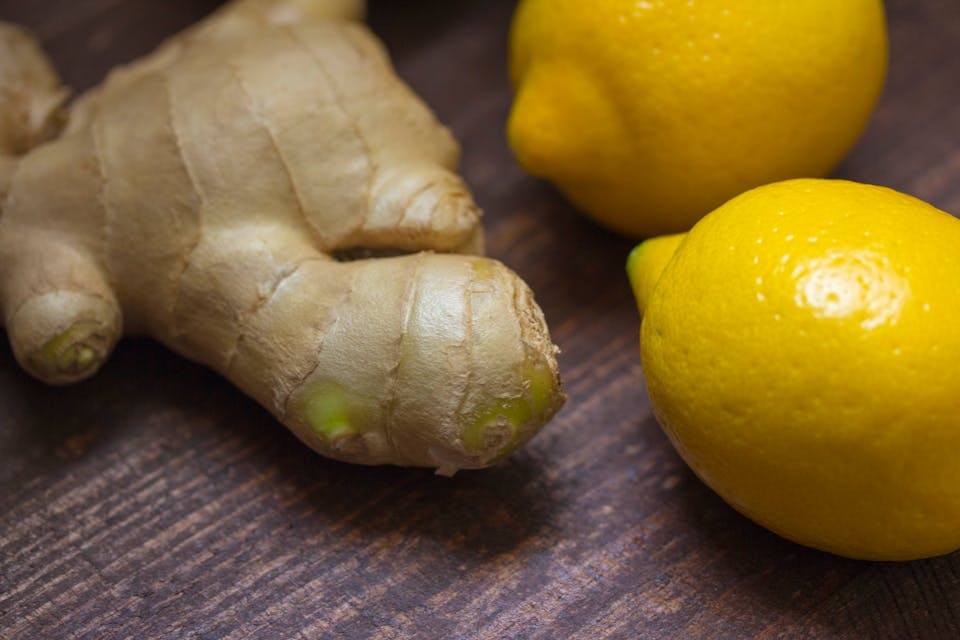
The global demand for ginger is heating up—especially in Europe. In the next 3–5 years, consumption of ginger-based products is expected to keep climbing steadily. One big reason? Ginger is considered a natural remedy for colds and sore throats, especially during the cold winter season. That’s why European markets see a spike in demand for dried ginger during the colder months.
If you’re a ginger producer from Asia—Indonesia, India, Vietnam, or Nepal—this is your sign to explore Europe as a serious export destination.
Why Europe Is a Golden Opportunity for Ginger Exporters
In 2021 alone, Europe directly imported 167,000 tons of dried ginger from developing countries. That figure has been growing by an average of 8.8% per year since 2017. More impressively, the value of ginger imports has risen by 16% annually over the same period, reaching a whopping €359 million in 2021.
Clearly, the European market is expanding rapidly—and importers are actively seeking long-term partnerships with reliable suppliers. If you’re based in a ginger-producing country in Asia, you have a massive opportunity to step in and meet that demand.
Oddly enough, despite being one of the top ginger-producing nations, Indonesia is still not among the top exporters to Europe. That leaves the door wide open for producers and exporters like you.
Who’s Buying Dried Ginger in Europe?
There are three main types of buyers you’ll be dealing with:
- Food Processing Companies
- Retail and Foodservice Brands
- Industrial Ingredient Manufacturers (for food, cosmetics, health)
1. Food Processing Companies
This segment accounts for roughly 75–90% of all dried ginger consumption in Europe. That includes producers of spice blends, snacks, sauces, soups, baked goods, beverages, and even chocolate.
Some leading names in this segment include:
- AVO (Germany, with factories in France and Poland)
- Meat Cracks (Germany)
- Kerry Ingredients (Ireland)
- IFF/Frutarom
- Farevelli Group
- Food Ingredients Group
- EHL Ingredients
- Ion Mos
These companies often require consistent quality and volume, making them a great fit if you can provide a steady supply.
2. Retail and Foodservice Brands
The second biggest buyers are spice companies that cater to the retail and foodservice sectors. Some examples include:
- Fuchs (Germany)
- Verstegen (Netherlands)
- Euroma (Netherlands)
- Santa Maria (Scandinavia, part of Paulig Group)
- McCormick (multinational)
- Prymat Group (Eastern Europe)
They import directly from producers or work with specialized importers and wholesalers. Many of these companies also operate their own R&D and packaging facilities.
3. Ingredient Manufacturers
This includes companies that produce ingredients for use in food, health, cosmetic, or pharmaceutical products. They require high-quality, traceable raw materials.
Some big names:
- Givaudan
- Firmenich (now part of DSM)
- Symrise
- Naturex
- Oterra
These companies often have strict certification and quality requirements (organic, fair trade, food-grade, etc.).
How to Enter the European Market: 3 Key Channels
Let’s be honest—getting into a large European company as a direct supplier isn’t always easy. But you can make your way in through key intermediaries like:
- Specialized Spice Importers
- Spice Processors
- Agents and Brokers
1. Specialized Spice Importers
These are your ideal entry points. They’re well-connected and distribute to multiple market segments. Some even offer private label packaging services.
Top importers in Europe include:
- Albarracin (Spain)
- Nedspice (Netherlands)
- European Spice Services (Belgium)
- Husarich (Germany)
- Saran Enterprises (Poland)
Companies like Culinar (Sweden), Epos (Netherlands), and Colin Ingredients (France) use dried ginger in spice mixes. Others, such as Isfi Spices (Belgium) and Verstegen (Netherlands), serve multiple markets.
2. Spice Processors
Large-scale spice processors often import directly from producing countries. They typically work with multiple suppliers to ensure quality, pricing stability, and continuous supply.
Big names include:
- Euroma (Netherlands)
- Fuchs (Germany)
These companies handle the full processing cycle: cleaning, sterilizing, grinding, mixing, and packaging—either for industrial use or direct retail.
3. Agents and Brokers
Agents and brokers can help if you have a niche product (such as high-quality or certified organic ginger). They match you with the right buyers and charge a commission. However, their role is becoming less central as supply chains become more transparent.
Which European Countries Should You Target?
While you can technically sell ginger anywhere in the EU, some countries are particularly attractive due to their high demand or strategic trading role.
🇳🇱 Netherlands: Europe’s Ginger Gateway
- The largest importer and distributor of ginger in Europe
- 96% of imports in 2021 came directly from developing countries
- Acts as a trade hub, redistributing ginger across Europe
Top companies to check out:
- Silvo (owned by McCormick)
- Verstegen
- Euroma
- Nedspice
- H.J. Albring
- Keyzer & Company
Check out the Dutch Spice Association for a full list of members and sustainable sourcing info.
🇩🇪 Germany: High Demand & Organic-Focused
- One of Europe’s top two consumers of ginger
- High demand for organic and specialty ginger
- Hamburg is a major import port
Key importers and processors:
- Worlée
- AKO The Spice Company
- Fuchs (market leader with multiple spice brands)
- Herbaria, Hartkorn, Grünberg (organic specialists)
- Gewürze der Welt (premium spice retailer)
🇬🇧 United Kingdom: Big on Tea, Herbs & Organic
- Traditionally a top consumer of ginger
- Large South Asian diaspora = high culinary use
- High demand for fair trade and organic products
Top companies include:
- Schwartz (McCormick brand)
- British Pepper & Spice
- Bart Ingredients
- Rye Spice Co
- Organic Herb Trading
- Pukka Herbs and Twinings (herbal teas using ginger)
🇪🇸 Spain: Dynamic Food Industry
- Around 110 companies specialize in spice production/trading
- Strong focus on food formulation and B2B manufacturing
Key players:
- Doscadesa
- Ceylan
- Carmencita
- Lomar
The AEC (Asociación Española de Codificadores) lists key spice manufacturers and importers.
🇫🇷 France: Diverse Market, Both Big & Small Buyers
- Home to giants like Ducros and Cepasco
- Also has many small and mid-size buyers
- Suitable for exporters at all levels
Notable companies:
- SOCO Herbs
- L’Arcadie
- Comptoir des Épices
🇮🇹 Italy: Traditional Yet Promising
- Brands like Cannamela and La Drogheria source directly
- Also home to traders like YES Spices
Italy is best for established exporters who can offer consistent quality and volume.
Bonus: Emerging Markets to Watch
Don’t sleep on smaller but growing markets like:
- Austria
- Czech Republic
- Portugal
These countries are starting to import ginger directly from producers like you. Even though their volume is smaller, they offer less competition and more flexibility—perfect for small and medium-sized exporters.
Ready to Get Started?
To maximize your success:
- Use free trade databases like ITC Trade Map and Access2Markets to identify the best countries for your ginger.
- Attend trade fairs like:
- SIAL
- Anuga
- Biofach (for organic)
- FI & HI Europe (Food Ingredients and Health Ingredients)
These events help you meet importers face-to-face and learn exactly what the European market expects.
Final Thoughts
Europe’s demand for ginger is booming, and the market is more open than ever. Whether you’re a large-scale exporter or a growing farm-based business, there’s a slice of the pie waiting for you—especially if you focus on consistent quality, certifications, and long-term partnerships.
With the right strategy, market research, and entry points, exporting ginger to Europe isn’t just possible—it’s highly profitable.
Now’s the time to tap into one of the world’s most promising spice markets. Go global, and let your ginger go farther than ever.
