



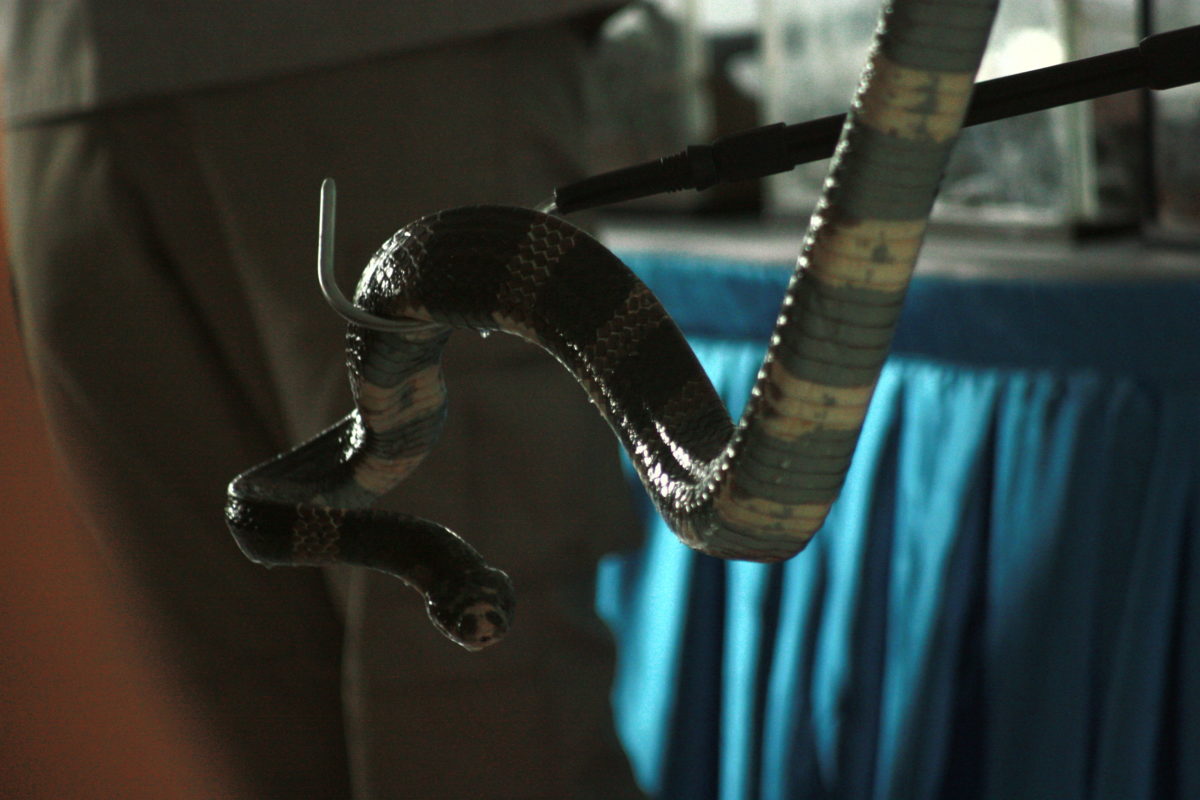
Tending your garden can be a relaxing hobby—but did you know that some of the plants you lovingly grow might be creating the perfect hiding spot for snakes?
That’s right. In tropical countries like Indonesia, lush home gardens are more than just beautiful green spaces. They often double as mini ecosystems teeming with life—and unfortunately, that includes snakes. While snakes aren’t out to harm you and usually prefer avoiding human interaction, the way we landscape our gardens can unintentionally roll out the red carpet for them.
So, how does a peaceful backyard turn into a snake magnet? It’s all about three things: food, water, and shelter. If your garden offers all three, you might be hosting more than just butterflies and birds.
Why Snakes Enter Human Homes
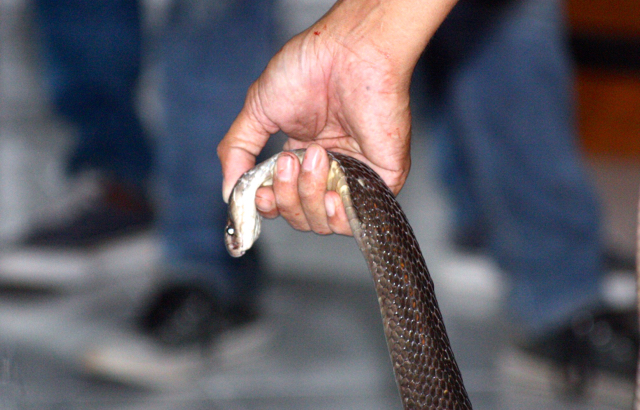
Indonesia is home to hundreds of snake species, both venomous and non-venomous. Many of these snakes have adapted incredibly well to human environments. As urban development creeps into their natural habitats, it’s no surprise that snakes are increasingly spotted in suburban gardens, village yards, and even inside houses.
Snakes don’t just show up out of nowhere. They follow their survival instincts. If your home or garden offers abundant prey like mice, frogs, lizards, or even insects, alongside cool hiding spots and some moisture, then your property may look like paradise to them.
Common Snakes Found Around Indonesian Homes
Several species have become household names—some literally. For example:
- Javan Cobra (Naja sputatrix) – Highly venomous, often found in cities like Jakarta. Active during the day and preys on rodents, frogs, and lizards.
- Reticulated Python (Malayopython reticulatus) – Massive but non-venomous. Active at night, often seen hunting rats or small pets in suburban areas.
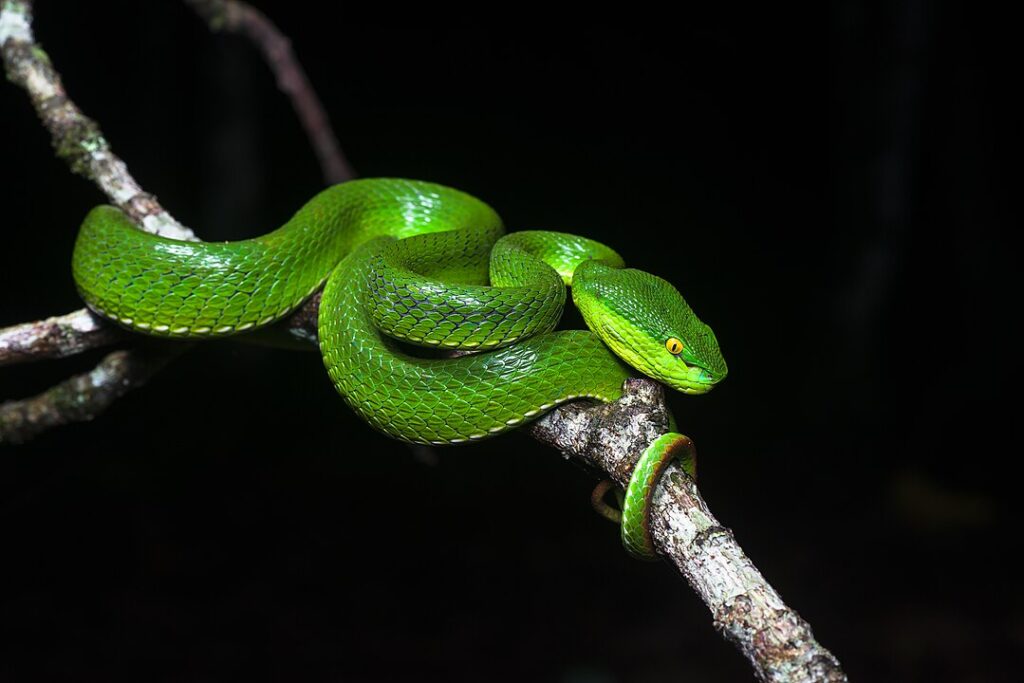
- White-lipped Pit Viper (Trimeresurus albolabris) – Venomous and tree-dwelling. Common in Java and Bali and responsible for many snakebite cases.
- Oriental Rat Snake (Ptyas mucosa) – Non-venomous and helpful in controlling rodent populations. Often shows up where rats are a problem.
- Banded Krait (Bungarus fasciatus) & Malayan Krait (Bungarus candidus) – Both highly venomous and known to hide in dark, cluttered places near rice fields or water sources.
Most of these snakes prefer to stay out of sight and only bite when threatened. But when their natural needs are met right in your yard, they might settle in comfortably.
Plants That May Attract Snakes—Not Because They’re Magical, But Practical
Let’s be clear: there’s nothing inherently “snake-cursed” about specific plants. The real problem lies in what those plants create—cool, shaded, and moist areas with access to prey. That’s the magic formula snakes are drawn to.
Here are a few examples of plants that may indirectly increase snake presence:
- Jasmine: Its dense, fragrant foliage attracts insects, which then attract frogs—snake prey.
- Bamboo: Tight bamboo clumps are cool and humid, perfect hiding spots. When bamboo flowers (rare but possible), it may even attract rodents.
- Banana Trees: Their thick stems hold water and their fallen leaves can create damp shelters. Frogs love it—and where frogs go, snakes follow.
- Lemongrass (Serai): While often believed to repel snakes due to its strong smell, there’s no scientific proof. Its dense base can be a cozy hiding spot for small snakes and frogs.
- Mini Elephant Grass (Rumput Gajah Mini): If overgrown, this grass forms dense mats that trap moisture and shelter insects, lizards, and amphibians.
In short: it’s not the plant, it’s the environment. Snakes move in when the ecosystem feels just right.
How to Snake-Proof Your Yard Without Falling for Myths
If you’re serious about keeping snakes at bay, forget the old wives’ tales. Focus on habitat management instead.
Here are proven, practical tips to make your yard less appealing to snakes:
- Trim it down – Keep your grass short, prune dense shrubs, and avoid overly cluttered landscaping.
- Clean up – Don’t let piles of wood, leaves, rocks, or garden junk build up. These are snake hotels.
- Limit water access – Fix leaks, drain standing water, and clean up fallen fruit to avoid attracting prey animals.
- Control rodents – Store food securely, seal holes in walls or floors, and set traps if needed.
- Rethink your plant choices – Avoid plants that create thick, moist shelters unless you’re committed to maintaining them well.
Common Myths That Don’t Work (and Might Make Things Worse)
Many people still rely on traditional remedies or urban legends to repel snakes. Unfortunately, most of them are useless—and some can even create a false sense of security.
Let’s bust a few:
- Salt repels snakes: Nope. Unlike slugs or leeches, snakes aren’t affected by salt. Their scales protect them from desiccation.
- Sulfur or mothballs work: There’s no solid evidence they deter snakes, and the fumes can be harmful to pets and children.
- Hair ropes or coconut fiber barriers: These might make great folk tales, but snakes can slither over almost any surface with ease.
The bottom line? Snakes are driven by instinct—not by smells or textures. If they’re hungry, thirsty, and find shelter, they’ll come. Period.
Be Proactive, Not Fearful
Seeing a snake in your garden doesn’t mean your home is cursed—it means the habitat you’ve built is a little too inviting. With proper landscaping practices, regular maintenance, and a good understanding of local ecology, you can make your yard a lot less snake-friendly.
So before you plant that next banana tree or let your bamboo grove go wild, think about the kind of guests you might be welcoming. After all, it’s better to stop snakes at the garden gate than deal with them inside your home.
