




Planning a trip to Indonesia? You’re in for a wild, beautiful, unforgettable ride. With over 13,000 islands (yep, you read that right), this massive archipelago is home to rainforests, volcanoes, pristine beaches, and an incredibly rich mix of cultures, traditions, and religions.
But before you hop on that flight to Bali or set your sights on exploring lesser-known gems like Sumatra or Flores, here are 15 important things you should know before visiting Indonesia. Trust us—these tips will make your trip smoother, safer, and way more enjoyable.
1. The Best Time to Visit Depends on Where You’re Going

Indonesia stretches across thousands of kilometers, so the weather varies by region.
- Bali and Lombok: Best time is April–October (dry season).
- West Papua & Maluku: Dry season is September–March.
- Sumatra & Kalimantan: March–October is generally dry.
Avoid the rainy season if you’re planning jungle treks or beach holidays—but even during monsoon, it’s not all-day rain, and prices drop significantly.
2. Visa Rules: Don’t Skip This Step
Most tourists can enter with a Visa on Arrival (VoA) or an e-Visa.
- Valid for 30 days, extendable once.
- Apply online at least 48 hours before your flight.
- Make sure your passport is valid for at least 6 months.
Planning a longer stay or something work-related? Check the official Indonesian immigration website for your visa options.
3. Learn Basic Bahasa Indonesia
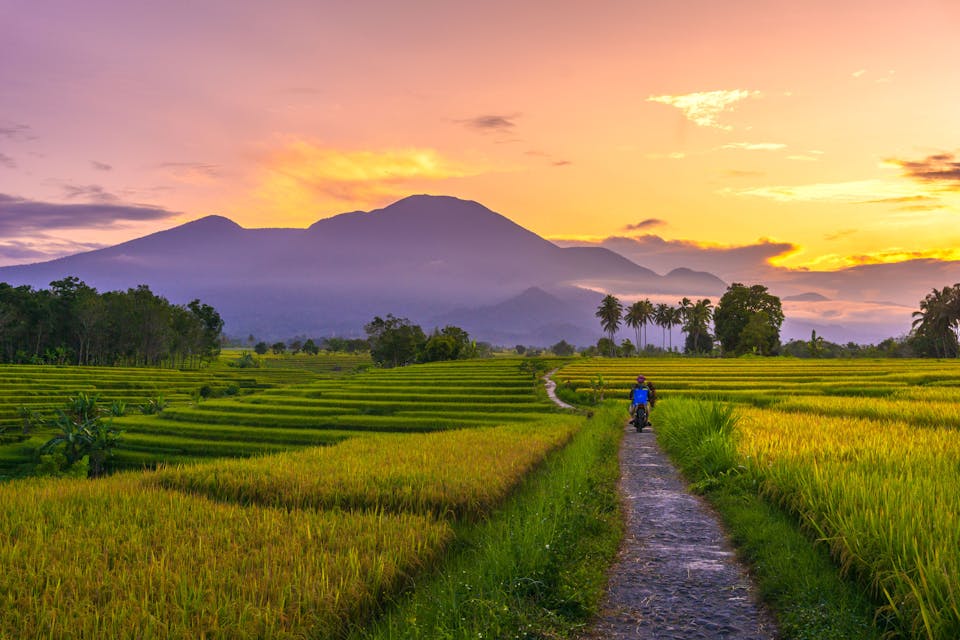
Bahasa Indonesia is simple to learn and super appreciated by locals. English is common in tourist spots, but in rural or remote areas? Not so much. Even a simple “terima kasih” (thank you) or “selamat pagi” (good morning) will earn you big smiles.
4. Dress for the Tropics—But Respect Local Norms
Yes, it’s hot and humid. But modesty matters, especially outside tourist hubs.
- In cities or rural areas: Cover shoulders and knees.
- Visiting temples or mosques? Bring a sarong or scarf.
- Bikinis = beach only. Once you leave the sand, cover up.
Pack light, breathable clothing—but toss in a sweater for chilly highlands or overly air-conditioned transport.
5. Get a Local SIM Card and Download These Apps
Buy a local SIM or eSIM at the airport. You’ll get fast, cheap data and avoid roaming fees.
Must-have apps:
- Grab or Gojek for transport
- Google Translate
- WhatsApp (everyone uses it)
- Travel safety or earthquake alert apps like BMKG or Volcano Discovery
6. Respect Religious Beliefs
Indonesia is home to Islam, Hinduism, Christianity, Buddhism—and many local beliefs.
- Don’t drink alcohol in public spaces.
- Dress respectfully at religious sites.
- Ask before entering temples or mosques.
- Avoid loud or disruptive behavior during prayer times or ceremonies.
7. Take Off Your Shoes Indoors
It’s polite to remove your shoes when entering someone’s home, a small shop, or many accommodations. Look for a pile of shoes by the door—if you see them, follow the lead.
8. Don’t Ask Elders for Their Names
In some traditional communities (especially in Bali), asking an older person’s name is taboo—it’s believed to attract bad luck. Instead, refer to older people as “Bapak” (Mr.), “Ibu” (Ma’am), or “Nenek/Kakek” (Grandma/Grandpa).
9. Small Gifts Go a Long Way
Visiting someone’s home? Bring a small gift or souvenir, even something from your own country. Locals may not react with over-the-top gratitude, but your gesture will be remembered.
10. Indonesia Is Safe, But Stay Aware
Indonesia is generally very safe, but:
- Watch out for pickpockets in crowded markets or buses.
- Avoid flashing valuables.
- Keep an eye on your credit card during transactions.
- Be cautious at night, especially on quiet roads in Lombok or remote areas.
11. Earthquakes and Volcanoes Are Real Risks
Indonesia sits on the Pacific Ring of Fire, so natural disasters happen.
- Follow local news and government alerts.
- Respect exclusion zones around active volcanoes.
- If there’s an earthquake: Drop, cover, hold on—and head uphill if you’re near the coast (tsunami risk).
12. Don’t Mess With Drugs—Seriously
Indonesia has some of the toughest drug laws in the world.
- Possession? Up to 4 years in prison.
- Trafficking? You could face the death penalty.
Just don’t risk it.
13. Be Smart About Transportation Options
Getting around Indonesia can be an adventure in itself. While major cities like Jakarta and Bali have decent infrastructure and plenty of ride-hailing options, some islands still rely on more traditional forms of transport. Here are a few tips to help you get around efficiently and safely:
- Use apps like Gojek and Grab for rides, food delivery, and even laundry or massage services. They’re reliable and safer than hailing random taxis off the street.
- Renting a motorbike is a popular and affordable option, especially in places like Bali, Lombok, and the Gili Islands—but only if you’re confident riding one. Always wear a helmet and carry an international driver’s license.
- Public transport varies by island. In Java, you can take comfortable long-distance trains. In other areas, you may need to rely on bemos (minivans), ojeks (motorcycle taxis), or even boats and ferries.
- Domestic flights are often necessary to hop between islands. Book early for better prices and avoid overpacked local airlines by flying with reputable carriers like Garuda Indonesia or Batik Air.
14. Get Your Vaccinations in Advance
Plan ahead—vaccines like Hepatitis A & B, Typhoid, and sometimes malaria meds are recommended.
If you’re coming from a yellow fever zone, carry your vaccination card.
15. Don’t Drink the Tap Water
Stick to bottled or filtered water—even for brushing your teeth.
- Use refill stations when possible to avoid single-use plastics.
- Consider buying a large 19L refillable galon if staying long-term.
Final Thoughts
Indonesia isn’t just a destination—it’s an experience. With the right prep and respectful mindset, you’ll find warm hospitality, jaw-dropping nature, and deep cultural richness at every turn.
So whether you’re chasing waves in Lombok, wandering temples in Java, or diving in Raja Ampat—now you’re ready to explore Indonesia like a pro.
