



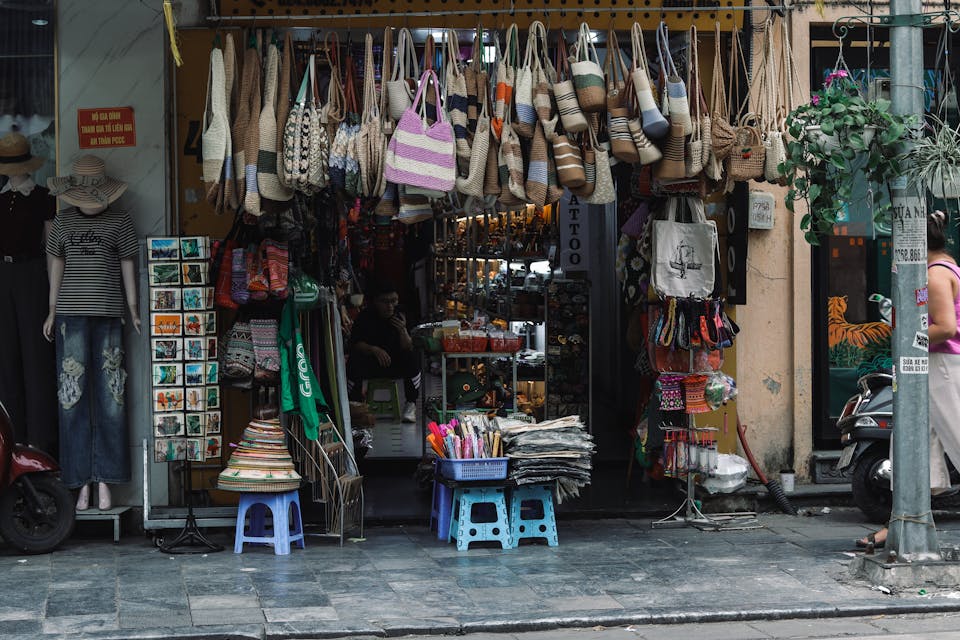
When you step into an Indonesian workplace, you’ll quickly notice something unique. It’s not just about deadlines, meetings, or office politics—it’s about relationships. One of the most interesting ways Indonesians nurture those relationships is through the tradition of oleh-oleh, or souvenirs.
This practice might seem simple at first glance: bring back something after a trip and share it with colleagues. But in Indonesia, oleh-oleh carries a deeper meaning. It’s not just a bag of snacks or trinkets—it’s a cultural gesture that speaks volumes about care, respect, and togetherness.
What Is Oleh-oleh?
In Bahasa Indonesia, oleh-oleh refers to souvenirs or gifts brought home from a trip. This could be local delicacies, handicrafts, or even small items that represent the place you’ve visited.
In the workplace context, oleh-oleh is most often food—packaged snacks, sweets, or something that can be easily shared with the entire team. Imagine returning from Bali with boxes of pie susu (milk tarts), or from Medan with bags of bika ambon (honeycomb cake). It’s less about the item’s value and more about the act itself.
The Social Glue of the Office
Why does this tradition matter so much? Because in Indonesian work culture, relationships are everything.
- It shows thoughtfulness. By bringing oleh-oleh, you’re telling your colleagues, “I remembered you while I was away.”
- It reinforces equality. Whether you’re a manager or a new hire, sharing snacks helps break down barriers and create a sense of community.
- It maintains harmony. Indonesia is a collectivist society where harmony in the group is highly valued. Oleh-oleh is one of the soft gestures that keep this balance.
In other words, that little box of snacks is a cultural lubricant—it keeps the office running smoothly beyond just work-related interactions.
Beyond Food: Symbolism in the Gesture
Sure, people love free food, but oleh-oleh is more than that. It’s symbolic.
- A bridge between personal and professional life. When you share souvenirs, you’re also sharing a piece of your personal journey with your colleagues.
- A non-verbal thank you. Many employees bring oleh-oleh after business trips as a way to appreciate the support from colleagues back at the office.
- An unwritten obligation. In some workplaces, not bringing oleh-oleh after a trip can even be noticed. It doesn’t mean you’ll be judged harshly, but people might jokingly tease you about it.
The Hidden Office Politics of Oleh-oleh
Interestingly, oleh-oleh isn’t always purely innocent. Sometimes, it also plays a role in workplace dynamics:
- To impress superiors. Employees may bring special souvenirs as a subtle way of maintaining good relationships with their bosses.
- To stand out socially. A unique or expensive oleh-oleh might spark extra attention and give the impression of generosity.
- To balance reciprocity. If someone always gives but never receives, it can create silent social tension.
So yes—this small tradition also reflects Indonesia’s nuanced balance between collectivism and individual ambition.
Oleh-oleh in the Era of Remote Work
Now that many companies are shifting to hybrid or remote setups, does this tradition still survive? Surprisingly, yes.
- Digital oleh-oleh. Some employees now bring back treats and send them through delivery apps to their coworkers.
- Office drop-offs. Others bring souvenirs to the office during scheduled visits, even if the team isn’t fully onsite.
This shows how resilient the tradition is. Even as the workplace evolves, Indonesians still find ways to keep these cultural bonds alive.
Why Global Professionals Should Pay Attention
If you’re working with Indonesians—or planning to expand your business in Indonesia—understanding the culture of oleh-oleh can give you a huge advantage.
- It’s a sign of respect to participate in the tradition.
- It helps build trust faster with your colleagues.
- It shows cultural sensitivity, which is highly appreciated in Indonesian business settings.
So, the next time you travel and work with Indonesian teams, don’t underestimate the power of a snack box or a small souvenir—it could open doors for deeper collaboration.
Final Thoughts
The tradition of oleh-oleh may look like a small gesture, but in reality, it reflects the heart of Indonesian work culture: community, respect, and harmony.
In a world where workplaces are increasingly digital and globalized, practices like these remind us that human connection still matters. Sometimes, maintaining good workplace relationships doesn’t require big speeches or expensive gestures—it’s as simple as bringing back a little something to share.
