



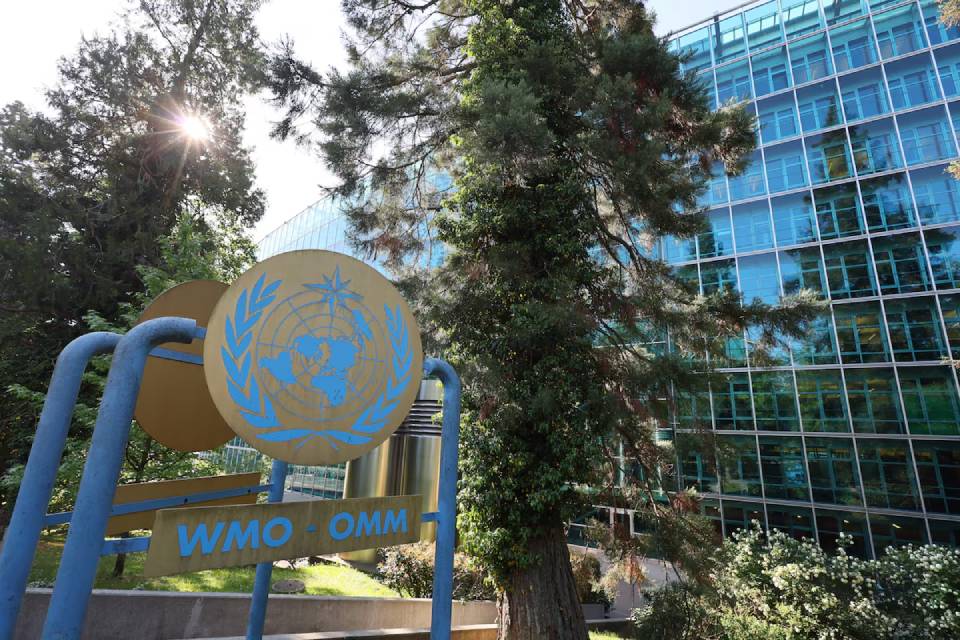
Berlin, Sept 2, 2025 — The World Meteorological Organization (WMO) has announced that La Niña conditions may re-emerge starting September, potentially reshaping global weather patterns. Despite the shift, large parts of the world are still expected to experience above-average temperatures.
La Niña is characterized by the cooling of sea surface temperatures in the central and eastern Pacific Ocean. This phenomenon often increases the likelihood of extreme weather events such as floods, droughts, and storms — directly affecting agriculture, energy, health, and transportation sectors.
According to WMO’s latest report, neutral climate conditions have persisted since March. However, forecasts now indicate a 55% chance that sea surface temperatures in the equatorial Pacific will cool to La Niña levels between September and November.
“Seasonal forecasts provide critical insights that can help countries prepare for extreme events, saving millions of dollars in potential damages and even thousands of lives,” the WMO stated.
Global Implications of La Niña
- Agriculture: Crop yields may be disrupted by unpredictable rainfall and prolonged drought in some regions.
- Energy: Hydropower and renewable energy production may fluctuate depending on rainfall intensity.
- Health: Rising risks of water-borne and vector-borne diseases due to flooding.
- Transport: Severe weather could lead to shipping delays, infrastructure damages, and air travel disruptions.
Local Impact in Asia: Indonesia and the Philippines
In Indonesia, La Niña typically brings above-normal rainfall, which can increase the risk of flooding and landslides, especially in Java and Sumatra. Farmers may face both opportunities and challenges: while rice paddies could benefit from sufficient water, excessive rainfall can damage crops and disrupt planting schedules.
In the Philippines, La Niña often intensifies the typhoon season, leading to stronger storms and heavier rainfall across the archipelago. This raises concerns for communities living in coastal areas, as flooding and storm surges become more likely.
Both countries are advised to step up preparedness measures, including disaster response planning, early-warning systems, and public awareness campaigns to minimize the impact on vulnerable populations.
Above-Average Temperatures Still Expected
Even with the possible onset of La Niña, the WMO warns that global warming trends remain dominant. Many regions across Asia, Europe, and North America may still record above-average temperatures, intensifying the strain on water resources, agriculture, and energy demand.
Preparing for the Transition
Experts stress that early preparedness and risk management strategies are essential. Governments and businesses are encouraged to monitor forecasts closely, invest in disaster resilience, and communicate potential risks to communities.
The coming months will be critical as the world waits to see whether La Niña will officially return and how strongly it will influence global weather systems.
