



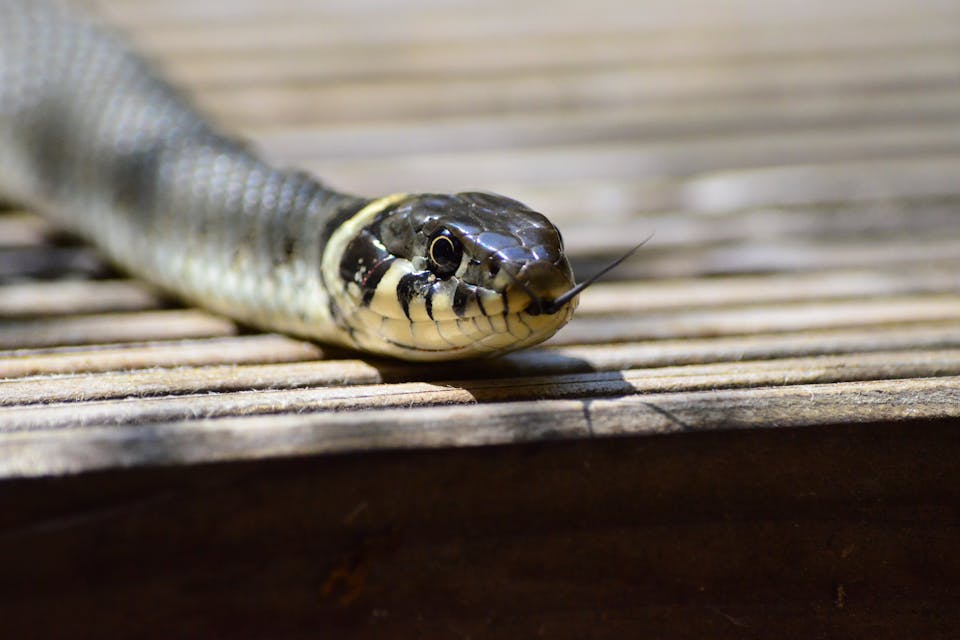
Snakes are one of those unexpected guests no homeowner wants to encounter. In many parts of Indonesia, it’s not unusual to find snakes sneaking into houses, sometimes even making themselves comfortable in ceilings, bathrooms, or water drains. While not all of them are venomous, some species pose real dangers if disturbed.
So, why do snakes come into houses in the first place? The reasons are pretty simple: they’re usually looking for food, warmth, or a safe hiding spot. Human settlements provide all of that—tasty rodents, dark and quiet corners, and even livestock areas that attract their prey.
Let’s take a closer look at the snake species most commonly found inside Indonesian homes, along with practical tips to prevent them from slithering indoors.
The Javan Spitting Cobra
The Javan spitting cobra (Naja sputatrix) is one of the most frequently spotted snakes in residential areas across Java. Locally known as “ular sendok,” this snake can grow up to 1.5 meters long and is instantly recognizable by its dark, glossy scales and lighter underside.
What makes this species particularly dangerous is its venom. Cobras can spray venom from as far as two meters away, which means they don’t need to bite to cause harm. Encounters with this snake should always be handled by professionals.
The Reticulated Python
The reticulated python (Malayopython reticulatus), or “sanca batik,” might be massive in size, but that doesn’t stop it from squeezing into the smallest spaces. Many homeowners in Indonesia have found these snakes hiding above ceiling panels, patiently waiting to hunt rats or other animals.
They’re also notorious for sneaking into livestock cages, especially if chickens, ducks, or goats are nearby. In some cases, pythons even make their way through drainage systems before finding shelter inside homes.
The Banded Krait
Another unwelcome but fairly common visitor is the banded krait (Bungarus candidus), locally called “ular weling.” Its striking black-and-white bands make it easy to identify, but don’t let its beauty fool you—this snake is highly venomous.
Many households in rural areas have reported sightings of kraits, particularly at night when these snakes are most active. Their slender bodies allow them to slip easily into bathrooms, kitchens, or through open doors.
The Yellow-Banded Krait
Closely related to the banded krait, the yellow-banded krait (Bungarus fasciatus)—known locally as “ular welang”—is equally dangerous. Instead of black and white, this species features black and yellow stripes across its body.
It often uses water channels and cracks in walls as entry points. Like its cousin, the welang is venomous and should never be handled without expert assistance.
The Indo-Chinese Rat Snake
Not all snakes that enter homes are venomous. The Indo-Chinese rat snake (Ptyas korros), or “ular jali,” is relatively harmless to humans but still an unsettling presence indoors. This snake is very active during the day and is an excellent climber, which explains why it sometimes enters homes through trees or rooftops.
While non-venomous, rat snakes can still cause panic, and their presence often indicates a rodent problem in the area—after all, rats and lizards are their favorite meals.
How to Keep Snakes Away from Your Home
No one wants to stumble across a snake in their bathroom or ceiling. Luckily, there are a few simple steps you can take to reduce the chances of these reptiles turning your home into theirs.
First, eliminate food sources. Snakes follow prey, so keeping rats and other small animals away from your home is key. If you have livestock, make sure the enclosures are secure and placed at a safe distance from the house.
Second, keep your surroundings clean. Snakes love messy, dark corners—whether it’s a cluttered attic, an unused storage room, or an overgrown garden. Regular cleaning and maintenance will make your home less appealing to them.
Third, trim plants and tall grass around your house. Many snakes use shrubs and trees as cover to approach buildings. Keeping the yard tidy removes potential hiding spots.
Lastly, check for gaps and cracks. Snakes can squeeze through surprisingly small openings, so inspect ceilings, drains, and ventilation systems regularly. If you ever notice suspicious signs like shed skin or a musky odor, it’s best to call in professionals rather than attempting to handle the situation yourself.
Snakes are a natural part of Indonesia’s ecosystem, but when they enter homes, they pose risks that can’t be ignored. From venomous cobras and kraits to large pythons and harmless rat snakes, encounters are more common than many people realize.
By keeping your home clean, secure, and free from potential prey, you can greatly reduce the chances of an unwanted slithering visitor. And remember: if you ever come face-to-face with a snake inside your house, the safest move is always to call an expert.
