



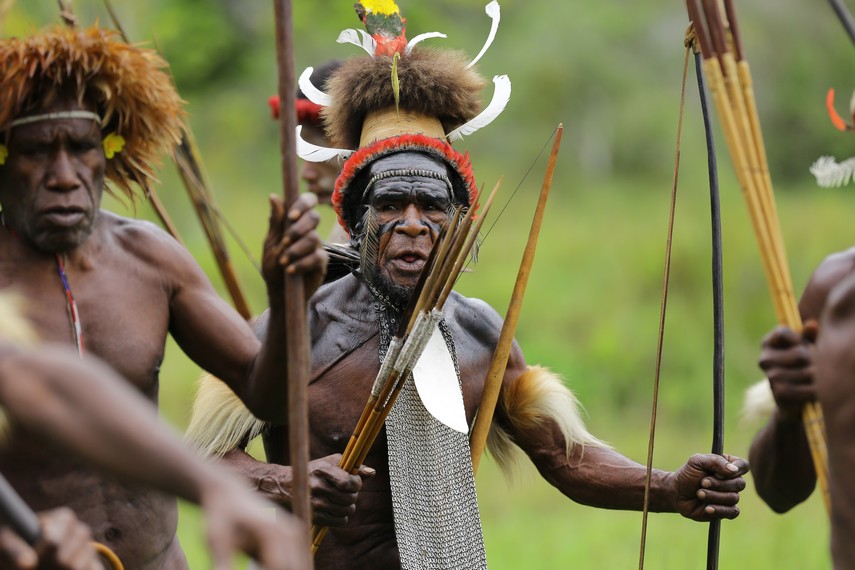
Nestled in the remote highlands of Papua, Indonesia, the Baliem Valley is home to the Dani tribe, one of the most well-known indigenous groups of the region. With their rich traditions, striking appearance, and deeply symbolic rituals, the Dani have long fascinated anthropologists, travelers, and culture enthusiasts alike. Among their many cultural practices, one stands out for its intensity, symbolism, and spectacle: the Dani War Dance.
This dance is more than just a performance—it is a living narrative of courage, strength, and ancestral pride. Once tied directly to the tribe’s wartime practices, the dance now serves as a powerful cultural tradition that preserves the essence of Dani history while captivating those who witness it. In this article, we’ll dive deep into the meaning, history, and experience of the Dani War Dance, exploring why it has become one of the most iconic cultural treasures of Papua.
A Glimpse into the Dani Tribe
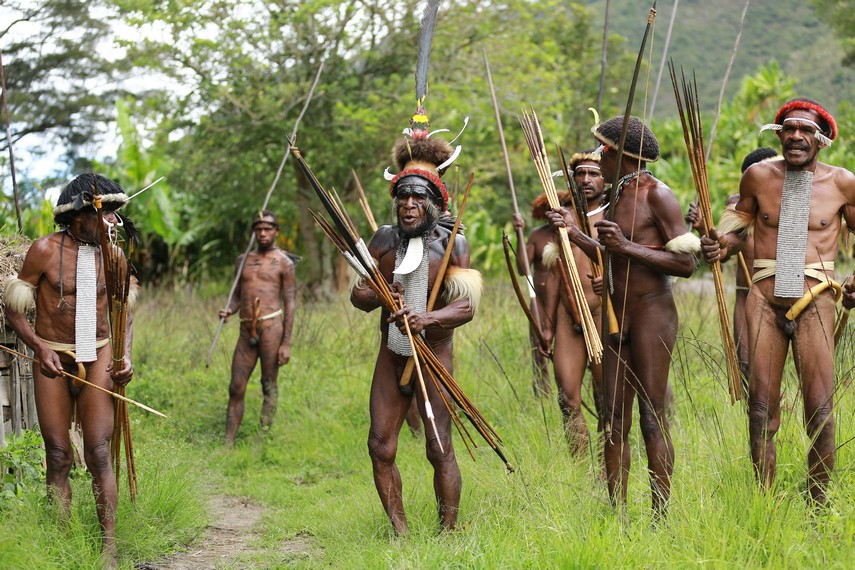
Before understanding the war dance, it’s important to know the people behind it. The Dani tribe resides primarily in the Baliem Valley, surrounded by the Jayawijaya mountains. Their homeland is rugged, isolated, and breathtakingly beautiful, with green valleys and misty peaks. The Dani have adapted to this environment for centuries, sustaining themselves through farming, hunting, and a strong sense of community.
Traditionally, the Dani men are easily recognizable by their koteka (a penis gourd worn as traditional attire), while the women wear grass skirts and adorn themselves with ornaments made from nature. Beyond appearance, however, what makes the Dani so remarkable is their ability to preserve cultural values in the face of modernization. The war dance is a reflection of this cultural strength, embodying their heritage in movements, chants, and dramatic staging.
The Origins of the War Dance
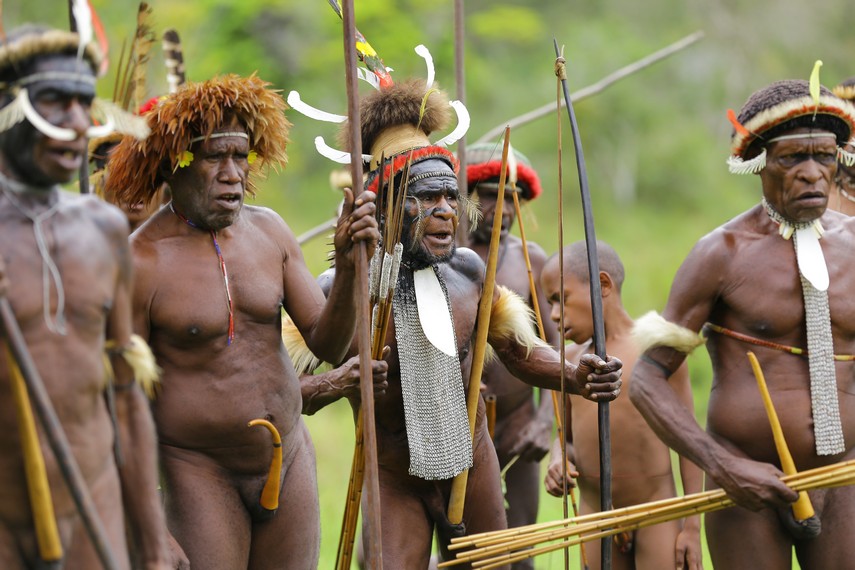
The Dani War Dance is not a form of entertainment in its original context. Instead, it was a ritual of warfare. For the Dani, wars often broke out due to disputes over resources, territory, or even conflicts surrounding women. In such cases, the war dance played a critical role both before and after battles.
Before the Battle
The war dance served as a form of intimidation. Warriors would line up in tight formation, their bodies painted, adorned with war ornaments, and armed with spears, bows, and arrows. Their voices echoed across the valley as they shouted powerful chants, proclaiming their strength and readiness. With each synchronized step and every war cry, they aimed to shake the enemy’s confidence before combat even began. It was as much psychological warfare as it was a ritual of unity.
The dramatic display was meant to tell the opposing tribe: We are strong, we are brave, and we are ready. In many ways, the dance worked as a form of theater, communicating both confidence and ferocity without words.
After the Battle
When battles concluded, the war dance took on a different meaning. It became a celebration of victory and remembrance of sacrifice. Warriors who survived would gather in a circle, with leaders and commanders standing in the center. Moving in rhythm, they would chant songs of triumph while raising their weapons high in the air. Every beat, step, and cry was a symbol of pride in their strength and respect for those who had fallen.
This ritual was not just about victory; it was also about honoring the community’s resilience and reaffirming their identity as warriors. For the Dani, war was not a random act of violence but a profound part of their cultural story, and the dance ensured that this story was remembered and passed down.
The Symbolism in Every Movement
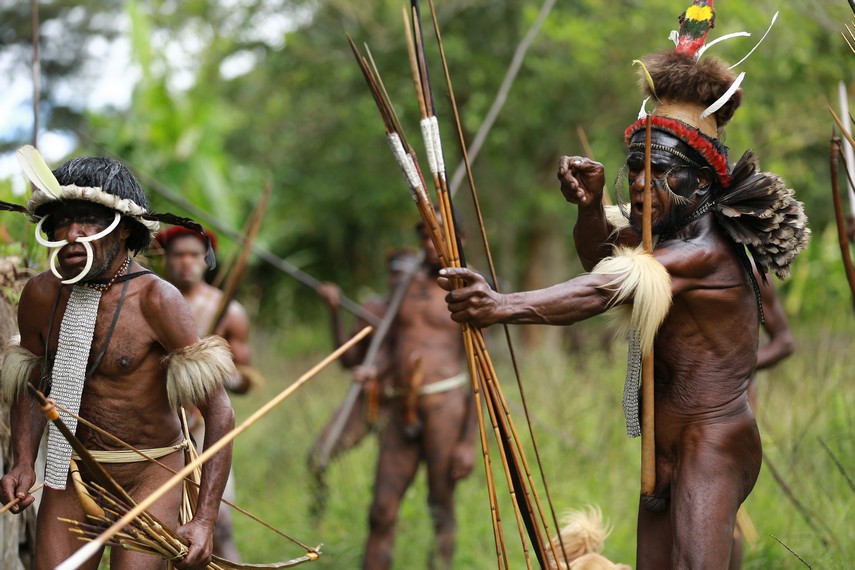
To an outsider, the Dani War Dance may seem like a series of loud chants and aggressive motions. But for the Dani themselves, every movement carries meaning. The shaking of hips, the stomping of feet, and the shouting of war cries are all coded gestures that communicate strength, pride, and defiance. Even the way weapons are brandished is symbolic—reminders of both their practical role in battle and their role as cultural symbols of resilience.
The boar tusks worn through the nose, for example, add to the warrior’s fierce appearance. They are not only ornaments but also signals of bravery and status. The chants, meanwhile, are often stories in themselves, drawing from oral traditions that recount past battles, victories, and the enduring spirit of the tribe.
This layering of symbolism makes the war dance not just a ritual but a form of storytelling, one where body language, costume, and sound merge into a single narrative of Dani identity.
From Ritual to Tradition
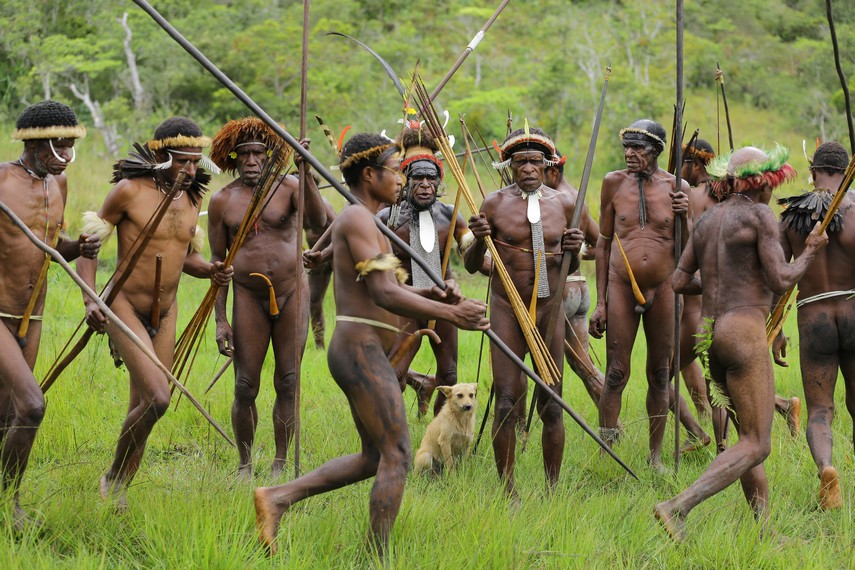
In modern times, the Dani no longer engage in intertribal wars as they once did. The war dance has shifted from a practical ritual of combat into a ceremonial tradition, performed to honor ancestors and educate younger generations. The transformation has ensured the survival of the practice, even as the reasons for warfare have faded away.
Today, the dance serves as a reminder of the past and as a bridge to the future. It carries lessons of bravery, loyalty, and resilience, values that remain central to the Dani way of life. For the younger members of the tribe, participating in the dance is an initiation into cultural pride and responsibility.
This evolution highlights the adaptability of Dani traditions. By transforming the war dance into a cultural performance, they have preserved its spirit while adapting to a world that no longer demands war.
The Baliem Valley Festival: A Stage for the War Dance
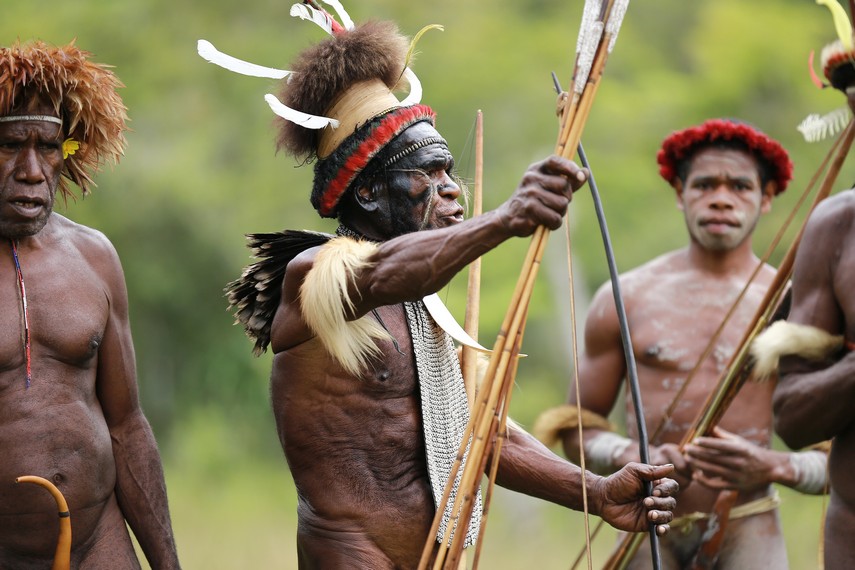
One of the most prominent opportunities to witness the Dani War Dance is during the Baliem Valley Festival, held annually in August. This festival brings together tribes from across the Papua highlands, including the Dani, Yali, and Lani peoples. Thousands of visitors—both local and international—gather to witness cultural showcases that highlight the richness of Papuan traditions.
The war dance is often the centerpiece of the event. Staged as a mock battle, the performance gives spectators a glimpse into the intensity of ancient tribal warfare without the violence. Warriors, dressed in full traditional attire, take their places on the field. With chants, stomps, and brandished weapons, they reenact the buildup to battle, the confrontation, and the victory celebrations.
For visitors, it’s not only a spectacle but also an immersive cultural experience. Watching the war dance in its homeland, surrounded by the dramatic landscapes of the Baliem Valley, is unlike anything else. The atmosphere vibrates with energy, and even those who don’t understand the chants can feel the raw emotions conveyed through movement and sound.
A Tourist Attraction with Deeper Meaning
While the war dance has become a highlight for tourism in Papua, it is important to recognize its deeper meaning. For the Dani, performing the dance is not just about entertaining visitors. It is about preserving identity and sharing their story with the world. Each performance is a chance to assert cultural pride and ensure that the values of courage, resilience, and honor remain visible in a globalized world.
For tourists, experiencing the war dance is a rare privilege. It allows them to connect with a culture that is both ancient and vibrant, to witness traditions that are rooted in centuries of history. Beyond the spectacle, it challenges visitors to think about what courage, unity, and survival mean in different cultural contexts.
Lessons from the War Dance
The Dani War Dance is more than an aesthetic experience—it is a lesson in human resilience. It shows how a community can transform conflict into culture, violence into ritual, and memory into art. The dance teaches that bravery is not only about fighting but also about standing proud in one’s identity and heritage.
In every shout and every step, the Dani are saying: We are here, we are strong, and we will not be forgotten. It’s a message that resonates far beyond the Baliem Valley, speaking to universal themes of identity, survival, and pride.
Preserving the Spirit of the Dance
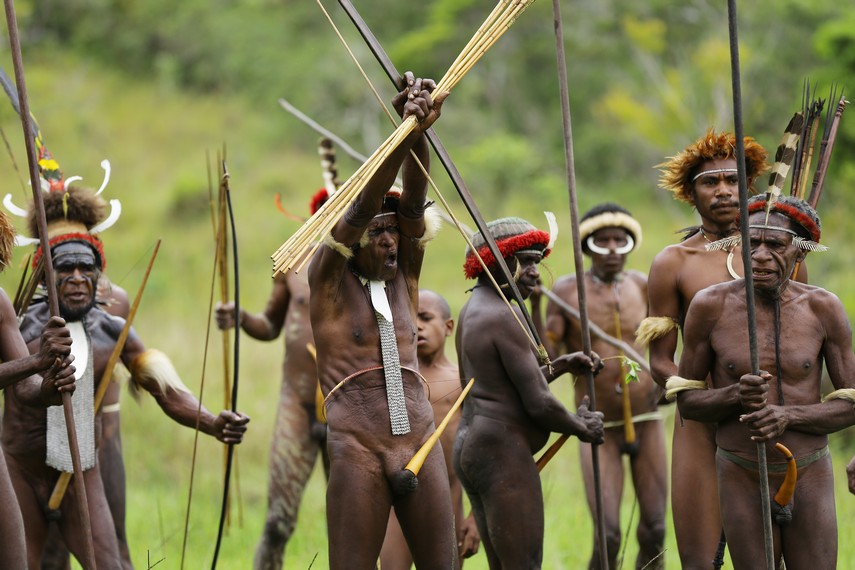
Like many indigenous traditions, the Dani War Dance faces challenges in the modern world. Globalization, modernization, and external influences can threaten the continuity of practices like this. However, the Dani have shown remarkable commitment to preservation. By integrating the dance into festivals, cultural events, and intergenerational teaching, they ensure that it continues to thrive.
Visitors, too, play a role in this preservation. By respecting the performance as more than just entertainment and by supporting cultural tourism responsibly, travelers can contribute to the survival of this unique tradition. Every time someone shares a story or memory of witnessing the war dance, they help spread awareness of its importance.
The Dani War Dance of the Baliem Valley is one of Indonesia’s most striking cultural treasures. It is a performance, yes, but it is also a history lesson, a ritual of pride, and a living bridge between past and present. For the Dani people, it continues to embody the values of courage and strength. For the world, it serves as a reminder of the richness and resilience of human culture.
Standing on the grass of the Baliem Valley, watching the warriors move in unison, you feel a pulse of energy that goes beyond the spectacle. You feel the heartbeat of a people, the echo of their ancestors, and the timeless message of bravery they want to share. The Dani War Dance is not just something you see—it’s something you feel, deep in your bones.
