



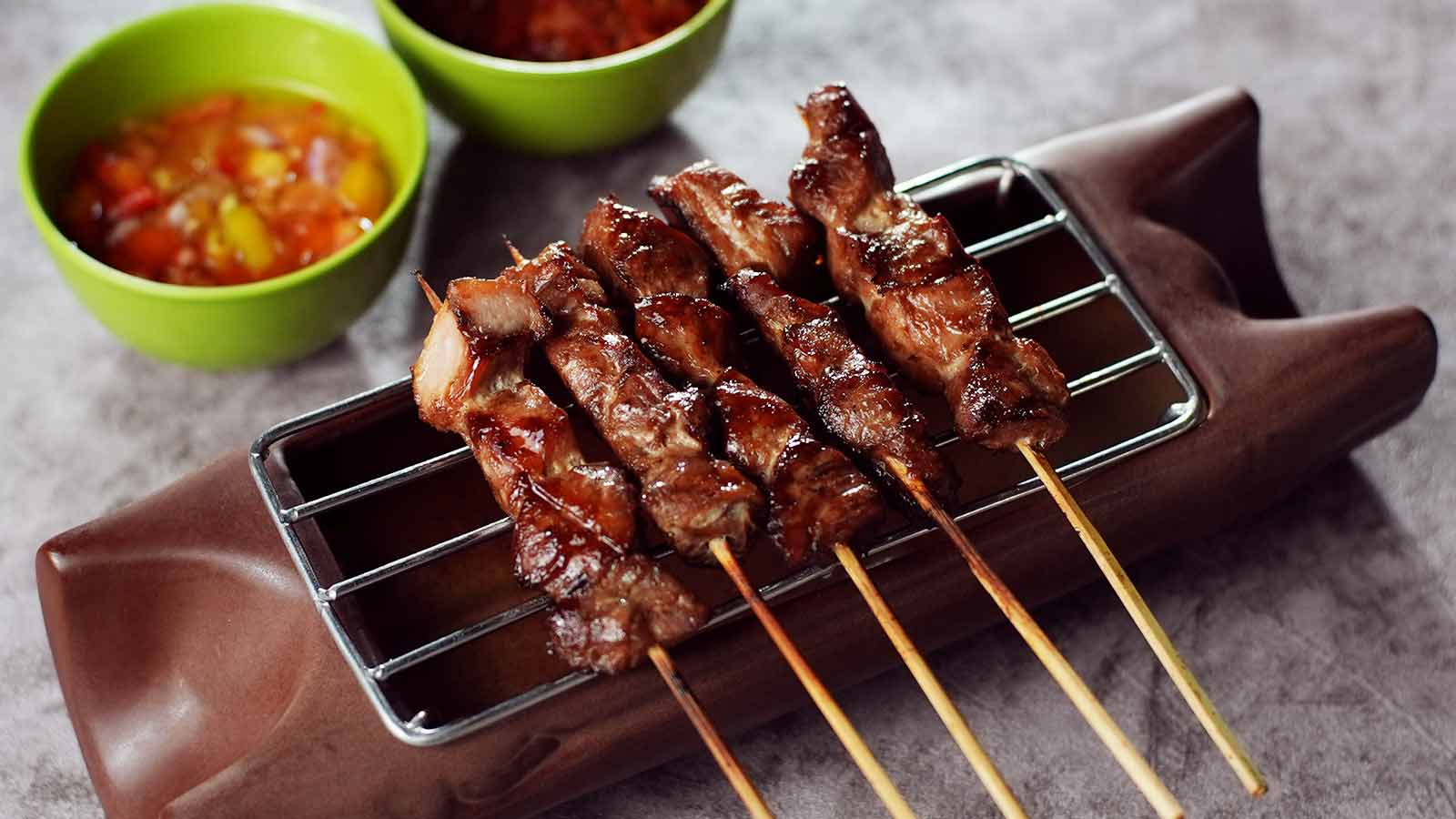
When you think of Indonesia’s rich culinary scene, the first things that might pop into your mind are rendang from West Sumatra, satay from Java, or maybe fresh seafood from Bali. But if you’re ready to take your taste buds somewhere a little less touristy and a lot more authentic, let me introduce you to Tuna Satay from Gorontalo — a dish that perfectly combines the ocean’s freshness with the magic of Indonesian spices.
Tucked away on the northern tip of Sulawesi Island, Gorontalo is blessed with pristine seas, abundant fish, and a culinary tradition that makes full use of local produce and spices. Here, seafood isn’t just food — it’s a way of life. From perkedel nike (tiny fried fish fritters) to ilabulo (banana-leaf wrapped meat or fish dish) and binte biluhuta (spiced corn soup), Gorontalo’s kitchens are bursting with flavors that tell stories of history, geography, and culture.
But among all these unique dishes, Sate Tuna (Tuna Satay) has a special place. It’s simple, flavorful, and — once you’ve had a bite — incredibly addictive.
What Exactly Is Gorontalo Tuna Satay?
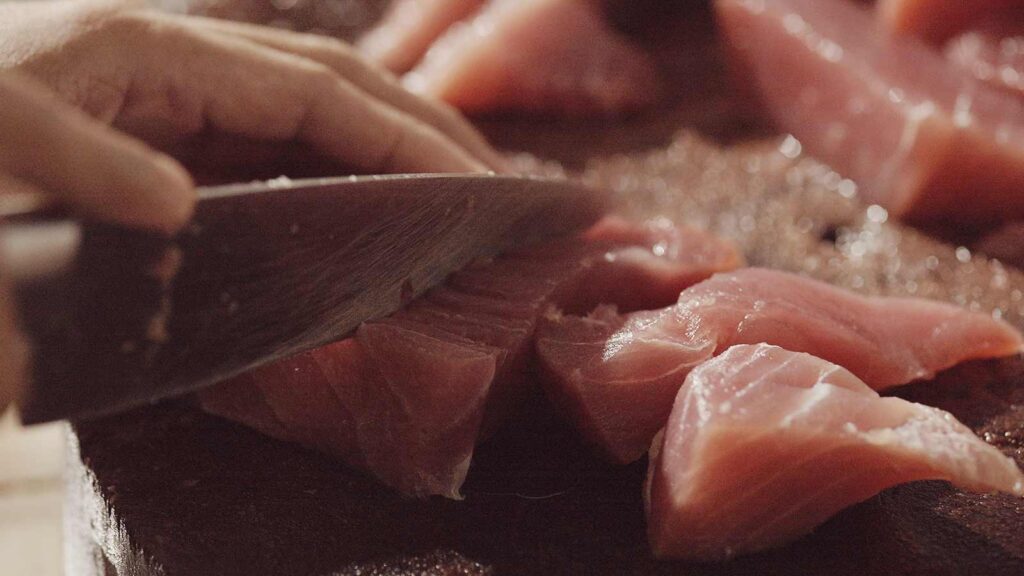
At its core, Gorontalo Tuna Satay is fresh chunks of tuna skewered on bamboo sticks and grilled to smoky perfection. Unlike chicken or beef satay, tuna satay offers a lighter, fresher taste, with a soft yet meaty texture that holds up beautifully over a charcoal grill.
The magic lies in the preparation. This isn’t just tuna thrown onto a stick. Every piece is marinated with a blend of local spices that both enhance the natural flavor of the fish and keep it moist during grilling.
Bite into it, and you get:
- A burst of savory goodness from garlic and salt
- A hint of sweetness from natural sugars in the marinade
- A touch of tang from lime juice that balances the richness
- That unmistakable smoky aroma from the grill that says, yes, this is street food done right.
Marination – The Heart of the Flavor
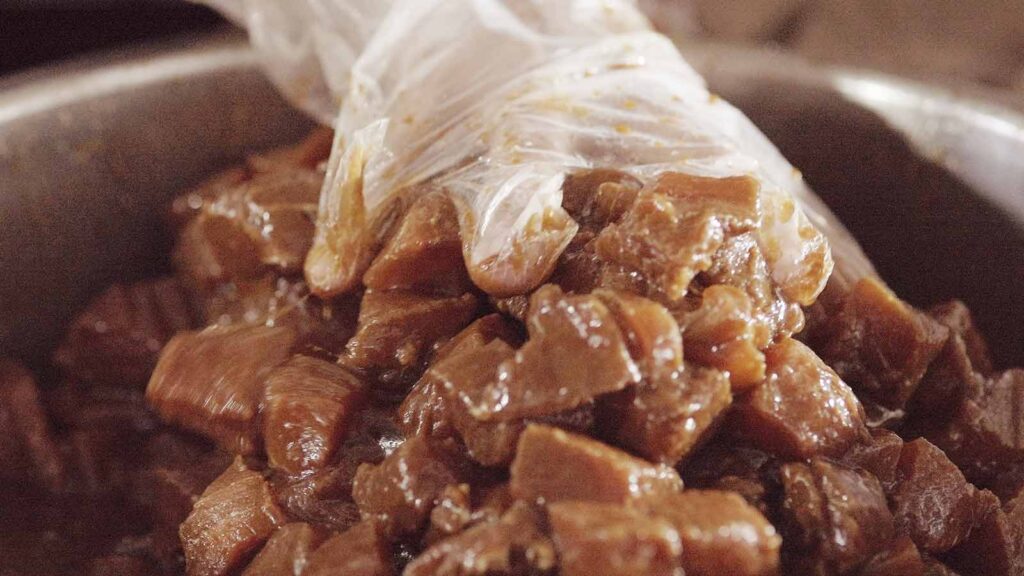
Ask any Gorontalo cook, and they’ll tell you — marination is everything.
Before the tuna even meets the grill, it’s soaked in a spice bath made from:
- Garlic & Shallots – the aromatic backbone of almost every Indonesian dish.
- Coriander & Turmeric – adding depth, color, and a hint of earthy warmth.
- Salt & a Dash of Sugar – for balance.
- Fresh Lime Juice – not just for flavor, but also to eliminate any fishy smell.
This step isn’t rushed. The tuna sits in this marinade long enough to absorb every bit of flavor, but not so long that the acidity starts cooking the fish (this isn’t ceviche, after all).
The result? When it finally hits the grill, the tuna stays juicy, tender, and flavorful, without drying out or becoming chewy.
Grilling – Where the Magic Happens
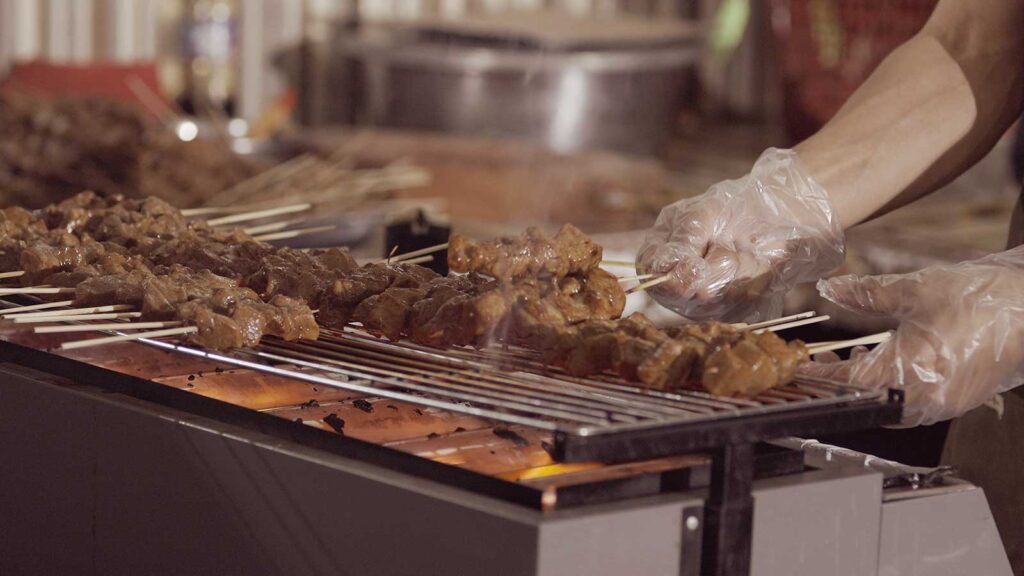
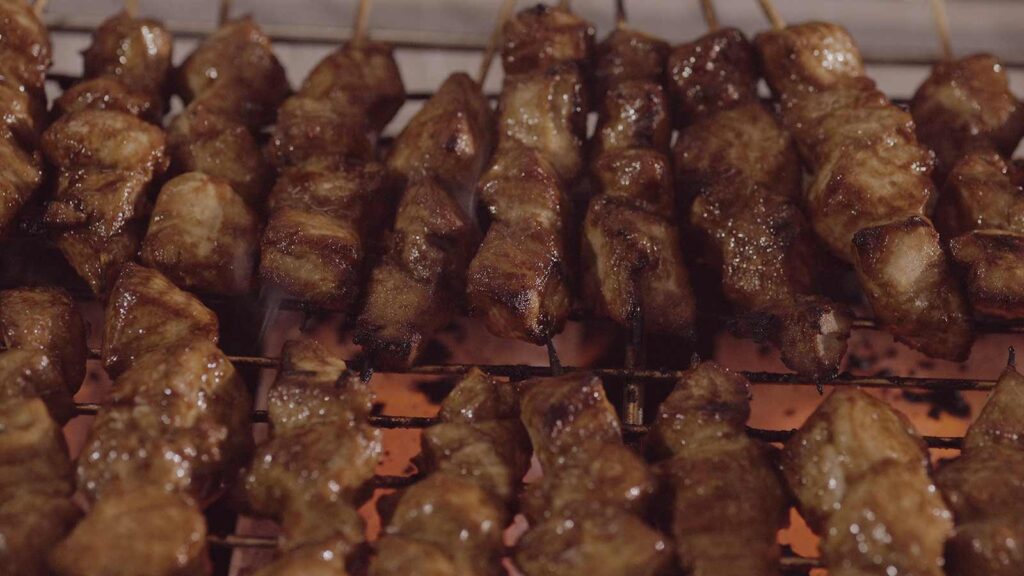
Traditionally, Gorontalo Tuna Satay is grilled over charcoal, not gas. The difference is huge. Charcoal grilling imparts that deep, smoky aroma that gas flames simply can’t replicate.
The grill is kept at a medium-high heat — hot enough to create a slight char on the outside, but gentle enough to keep the inside tender. Each skewer is brushed with a little oil or extra marinade during cooking, keeping it moist and adding layers of flavor.
If you’re lucky enough to try this dish from a street vendor in Gorontalo, you’ll notice they rarely cook the satay until it’s completely dry. A little pink in the middle is actually perfect — it keeps the tuna’s natural sweetness intact.
The Perfect Companion – Sambal Rica
What’s Indonesian satay without a little spice kick?
In Gorontalo, tuna satay often comes with Sambal Rica, a chili-based condiment that’s both fiery and flavorful. Made from red chilies, shallots, garlic, lemongrass, and lime leaves, sambal rica delivers a heat that’s bright rather than overwhelming.
It’s the perfect contrast to the rich, smoky tuna — each bite is a rollercoaster of savory, spicy, and citrusy notes. If you’re a spice lover, you’ll probably find yourself piling on more sambal than the locals recommend.
How Locals Enjoy Tuna Satay
While you can eat tuna satay straight off the skewer (and honestly, that’s already heaven), it’s often served with:
- Steamed white rice – the simplest and most common pairing.
- Lontong or Ketupat – compressed rice cakes that soak up the satay’s juices beautifully.
- Fresh vegetables or cucumber slices – to cool down the heat from the sambal.
In some modern takes, vendors add peanut sauce or sweet soy sauce glaze for an extra layer of richness. This is less traditional, but it’s a nod to the more widely recognized Javanese-style satay, adapted to tuna.
Nutritional Benefits – A Guilt-Free Indulgence
Here’s the good news: Tuna satay is as healthy as it is delicious.
Tuna is packed with:
- Protein – for muscle health and repair.
- Omega-3 fatty acids – for heart health and brain function.
- Vitamin B12 – essential for energy production.
Unlike fattier meats, tuna is lean, so you’re getting all that flavor without the heavy grease. Plus, grilling means you’re not adding much extra fat during cooking.
Why Tuna Satay Is a Must-Try in Gorontalo
There are a few reasons why tuna satay stands out even in a country full of seafood dishes:
- Freshness – The tuna often comes straight from the sea that very morning.
- Unique spice profile – Gorontalo’s use of local herbs gives it a distinct flavor you won’t find elsewhere.
- Street food charm – Eating it hot off the grill in a bustling local market is an experience in itself.
And let’s be honest — you can find tuna satay elsewhere in Indonesia, but having it in Gorontalo, surrounded by the sound of the ocean and the scent of spice-laden smoke, just hits differently.
Finding Tuna Satay in Gorontalo
If you ever visit Gorontalo, here’s where you’ll likely find it:
- Local night markets (pasar malam) – where vendors grill skewers on-site and serve them fresh.
- Small family-run warungs – these home-style eateries often serve their own secret-recipe marinades.
- Beachside stalls – nothing beats eating grilled tuna with the sea breeze in your hair.
Prices are usually very affordable, and portions are generous. If you’re adventurous, ask the vendor to make it “extra pedas” (extra spicy).
A Modern Twist – Tuna Satay Variations
While the traditional version remains the most beloved, some creative cooks have been experimenting with tuna satay:
- Honey-glazed tuna satay – adding a sweet caramelized finish.
- Japanese-inspired soy-ginger marinade – blending Gorontalo technique with Asian fusion flavors.
- Tuna satay wraps – where skewered tuna is removed and wrapped in flatbread with salad and sauce.
These variations are gaining popularity in cafes and more modern restaurants, especially in tourist areas.
Cooking Tuna Satay at Home
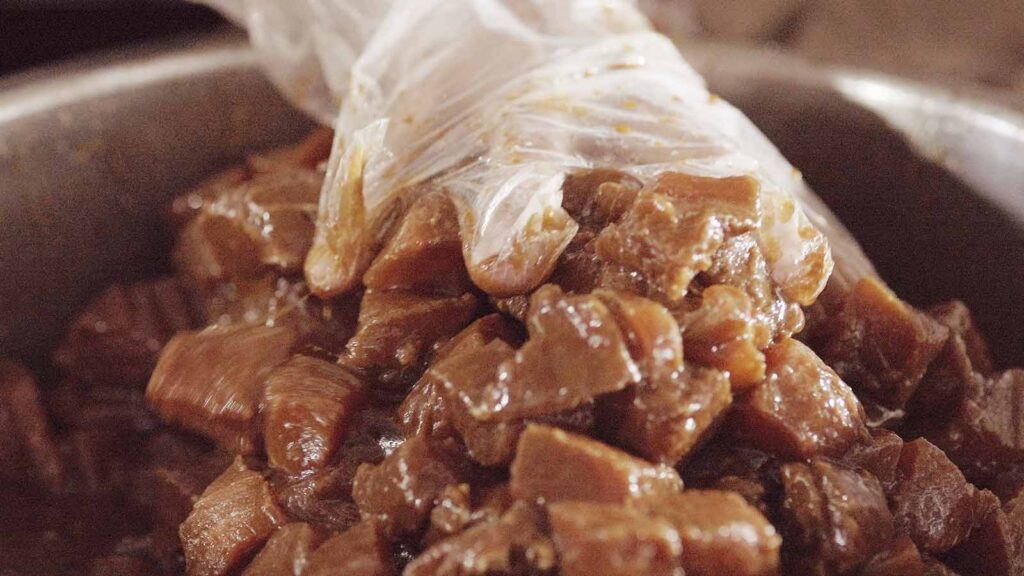
If you can’t hop on a plane to Gorontalo just yet, here’s a simple way to recreate this dish at home:
Ingredients:
- 500g fresh tuna (cut into 2 cm cubes)
- 4 cloves garlic
- 3 shallots
- 1 tsp coriander seeds (toasted)
- 1 tsp turmeric powder
- 1 tbsp fresh lime juice
- 1 tsp salt
- 1 tsp sugar
- 2 tbsp cooking oil
Instructions:
- Blend garlic, shallots, coriander, turmeric, salt, and sugar into a smooth paste.
- Mix with lime juice and oil to form the marinade.
- Add tuna cubes, coat well, and marinate for 30–45 minutes.
- Thread tuna onto skewers.
- Grill over medium-high charcoal heat, turning occasionally, until lightly charred but still moist inside.
- Serve with sambal rica and rice.
Pro tip: Don’t overcook the tuna — it can go from juicy to dry in under a minute.
A Bite of Culture in Every Skewer
Eating tuna satay isn’t just about satisfying your hunger — it’s about experiencing a slice of Gorontalo’s identity. The dish reflects the region’s connection to the sea, its love for bold yet balanced spices, and the communal joy of sharing freshly grilled food.
Whether you’re standing at a bustling market stall, dining by the beach, or trying your hand at grilling it in your backyard, each bite is a reminder that sometimes, the simplest dishes can carry the deepest stories.
Final Thoughts
Gorontalo Tuna Satay is more than just food — it’s the taste of ocean breezes, the warmth of a charcoal grill, and the comfort of flavors passed down through generations. If you ever find yourself in this part of Indonesia, make sure it’s on your must-try list. And if not, well… maybe it’s time to bring a little Gorontalo magic into your own kitchen.
So, next time someone asks you about Indonesian satay, you can smile knowingly and say, “Have you tried the one with tuna from Gorontalo?”
Trust me — you’ll want to be the person who introduces them to it.
