
Close Menu
Saibumi | Uncovering Asia, One Story at a Time
    What's Hot

    Indonesia’s National Nutrition Agency Leadership Change Draws International Attention

    June 3, 2026

    Indonesia’s Biodiesel Shift: B50 Plan Put on Hold, Raising Questions for Global Palm Oil Markets

    January 14, 2026

    Elephants Help Clear Wooden Debris After Aceh Disaster

    December 27, 2025
    Facebook X (Twitter) Instagram
    Saibumi | Uncovering Asia, One Story at a TimeSaibumi | Uncovering Asia, One Story at a Time
    • About Us
    • Contact Us
    • Advertise
    Facebook X (Twitter) Instagram YouTube LinkedIn Reddit
    • Home
    • Stories

      The Global Plastic Treaty Fails Again – What Does It Mean for the Planet?

      August 27, 2025

      Puru Kambera Savanna: Tracing the Wild Horses of East Sumba

      August 25, 2025

      West Sumatra Emerges as a Leading Muslim-Friendly Travel Destination

      August 24, 2025

      Tabola Bale Song: The Viral Music Blend From Eastern Indonesia

      August 20, 2025

      Tanjung Karang Beach: An Underwater Paradise in Donggala

      August 20, 2025
    • Travel

      Know the Types of Snakes in the Wild & What to Do If You Get Bitten

      December 27, 2025

      Thailand Named the Best Food Country in the World 2025 — Beating Italy and Japan

      October 14, 2025

      Dieng Plateau Officially Designated as Indonesia’s Newest National Geopark

      September 29, 2025

      The Culture of Souvenirs: How Indonesians Strengthen Workplace Relationships Through Oleh-oleh

      September 29, 2025

      6 Best Coffee Shops in Asia – And Yes, One of Them Is in Indonesia!

      September 28, 2025
    • Culture
    • Lifestyle
      1. Food & Culture
      2. Green Living
      3. Local Life
      4. Modern Living
      5. People & Inspiration
      6. View All

      Gen Z in Indonesia and the Global “Escape Culture”: Why Many Are Saying #KaburAjaDulu

      October 20, 2025

      The Export of Indonesian Specialty Products: How Local Ingredients Are Becoming Global Brands

      October 20, 2025

      From Training to Takeoff: MKP’s Approach to Responsible Worker Preparation

      October 18, 2025

      Thailand Named the Best Food Country in the World 2025 — Beating Italy and Japan

      October 14, 2025

      List of Plants That Attract and Repel Snakes Around the House

      October 20, 2025

      Bird-Friendly Coffee in Lampung: Wild Birds Help Farmers Control Pests Naturally

      September 23, 2025

      Standing Still Like a Stick: How Tree Snakes Outsmart Predators with Vertical Sleep

      July 17, 2025

      Not a Cat, Not a Snake — Meet the Plant That Can Eat Rats

      July 12, 2025

      #KaburAjaDulu: When Young Indonesians Feel Like Escaping Is the Only Way to Survive

      October 9, 2025

      The Culture of Souvenirs: How Indonesians Strengthen Workplace Relationships Through Oleh-oleh

      September 29, 2025

      How Remote Work and Digitalization Are Transforming Indonesian Work Culture

      September 28, 2025

      Staying Healthy in Unpredictable Weather: Indonesian Habits the World Can Learn From

      September 21, 2025

      Gen Z in Indonesia and the Global “Escape Culture”: Why Many Are Saying #KaburAjaDulu

      October 20, 2025

      Indonesia’s Beauty Industry Is Having a Major Glow-Up

      July 1, 2025

      Why Indonesian Coffee Is the Next Big Thing Among Global Freelancers

      June 30, 2025

      The Culture of Souvenirs: How Indonesians Strengthen Workplace Relationships Through Oleh-oleh

      September 29, 2025

      The Indonesian Work Culture: Harmony and Gotong Royong in Action

      September 16, 2025

      Southeast Asian Solidarity: Citizens Rally Behind Indonesian Protesters Amid Police Violence

      September 6, 2025

      What Germans Can Learn from the Philosophy of Gotong Royong

      July 16, 2025

      Gen Z in Indonesia and the Global “Escape Culture”: Why Many Are Saying #KaburAjaDulu

      October 20, 2025

      #KaburAjaDulu: When Young Indonesians Feel Like Escaping Is the Only Way to Survive

      October 9, 2025

      The Indonesian Work Ethic: Why Global Teams Trust Indonesian Professionals

      October 2, 2025

      Why Indonesian Talents Are the Best Choice for Global Companies

      October 2, 2025
    • Local Business
    Subscribe
    Saibumi | Uncovering Asia, One Story at a Time
    Home » What Germans Can Learn from the Philosophy of Gotong Royong
    Culture

    What Germans Can Learn from the Philosophy of Gotong Royong

    Editor DeskBy Editor DeskJuly 16, 2025No Comments6 Mins Read
    Facebook Twitter Pinterest LinkedIn Tumblr Email
    Ilustrasi
    Share
    Facebook Twitter LinkedIn Pinterest Email Copy Link

    In an age where hyper-individualism often takes center stage in modern society, the Indonesian philosophy of Gotong Royong offers a refreshing, almost revolutionary, way to rethink how we live, work, and build communities. While Germany is known for its structure, efficiency, and solid social systems, there’s something deeply human and inspiring that Germans—and the world at large—can learn from Gotong Royong: the art of working together not just for profit, but for people.

    So, What Exactly Is Gotong Royong?

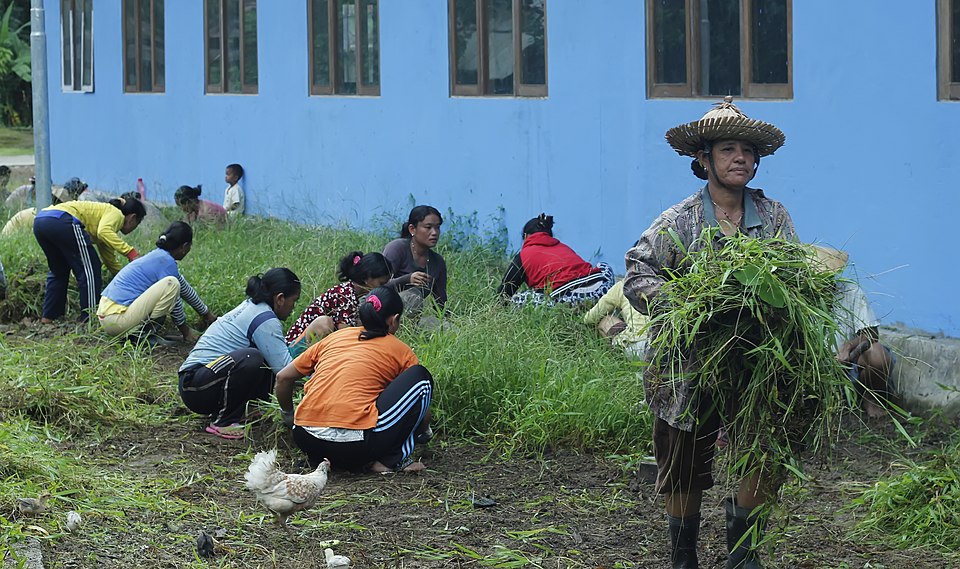
    Gotong Royong (pronounced go-tong ro-yong) is an Indonesian term that loosely translates to “mutual cooperation” or “working together voluntarily for the common good.” It’s a deeply embedded cultural value, not just a one-off activity. From helping neighbors build a house to organizing community clean-ups or preparing village festivals, Gotong Royong emphasizes collective effort without expecting monetary reward.

    This isn’t just about helping out—it’s about belonging, shared responsibility, and social harmony. In Indonesia, Gotong Royong is a social glue that strengthens bonds in both urban neighborhoods and remote villages.

    Germany’s Strong Individualism and Organized Efficiency

    Let’s be honest—Germans are no strangers to teamwork. Germany’s success in engineering, manufacturing, and governance is built on cooperation, precise planning, and rule-following. There’s a reason German-made products are renowned for quality, and cities are among the most orderly in the world.

    However, German society, like much of the Western world, leans heavily on individual autonomy, privacy, and formal systems. People help, but usually through structured systems: social services, legal frameworks, unions, or volunteer organizations. There’s less spontaneity, less informal “let’s do this together because it’s good for the group” kind of spirit.

    SEE ALSO  How an 11-Year-Old’s Dance Turned Indonesia’s Pacu Jalur Festival Into a Global Sensation

    That’s where Gotong Royong comes in—with its informal, heart-driven, hands-on approach to community life.

    Why Gotong Royong Feels Different—and Powerful

    Here’s the thing: Gotong Royong isn’t just about helping. It’s about connection. It’s about taking time out of your busy schedule not because you’re being paid or because there’s a system in place telling you to do it, but because you care.

    This is something that can complement German values beautifully. Imagine blending the precision and discipline of German organization with the warmth and togetherness of Gotong Royong. That’s a recipe for not only productivity but also well-being.

    Here are a few reasons why Gotong Royong could be an inspiring model for Germany:

    1. Reinforcing Community in an Age of Isolation

    Many Germans, especially in big cities like Berlin or Munich, report feeling isolated despite living among millions. Loneliness is becoming a silent epidemic across Europe.

    Gotong Royong encourages face-to-face interaction and spontaneous collaboration. Whether it’s neighbors planting trees together, families sharing meals during community events, or youths organizing street-cleaning drives—this philosophy fosters real human connections.

    2. Bringing Life Back into Local Neighborhoods

    Germany has a strong sense of local pride, from Bavarian traditions to Berlin street culture. But globalization and modern life have sometimes pushed people away from their roots.

    In Indonesia, Gotong Royong plays a huge role in preserving local culture. From traditional dances to village rituals, people organize events together with no expectation of profit. It’s a labor of love. German communities could adopt this to revive local crafts, music, or history—through festivals, storytelling, and neighborhood projects.

    SEE ALSO  Pulau Obi, North Maluku: Indonesia’s Hidden Gem of Biodiversity and Nickel Power

    3. Teaching Kids Empathy and Teamwork Early

    Imagine if German schools incorporated Gotong Royong-style activities regularly—not just class projects or science fairs, but real community initiatives: helping elderly neighbors, working in local gardens, or organizing school-wide donation drives.

    This kind of early exposure helps children grow into adults who value cooperation over competition, and kindness over convenience.

    4. Improving Disaster Response and Emergency Culture

    Germans are great at preparing for emergencies—earthquakes, floods, pandemics. But Gotong Royong offers a layer of resilience beyond policy.

    In Indonesia, when disaster strikes, villagers often rally together before formal aid arrives. They build temporary shelters, cook in shared kitchens, and even create community support networks. It’s a spirit that can’t be legislated but must be cultivated.

    Germany, especially in rural or aging regions, could benefit from encouraging informal neighborhood safety nets, modeled after this idea.

    Real-Life Gotong Royong Stories That Could Inspire Germany

    Let’s make this tangible. In Java, a family building a house doesn’t hire a big construction company—they invite relatives, friends, and neighbors. Each person brings something: bricks, meals, labor. It’s not a favor, it’s a shared joy.

    Or take the tradition of “kerja bakti”—community clean-up days, where entire blocks unite to sweep streets, plant trees, or repair public spaces. There’s no government directive—it just happens, because that’s what people do.

    These examples aren’t just sweet—they’re functional. They lower costs, strengthen trust, and reduce social inequality. In places where money is tight, but community is rich, Gotong Royong keeps things moving.

    Is It Realistic in a Fast-Paced Modern World?

    You might wonder: can something so traditional really fit into fast-paced German cities?

    SEE ALSO  Discover Lampung’s Signature Banana Pie and Frozen Fried Banana

    Actually, yes. There are already signs it could work:

    • Urban gardening projects in Berlin mimic Gotong Royong spirit—shared labor, shared harvest, shared joy.
    • Car-free Sundays in some cities require neighbors to collaborate and reclaim the street.
    • Welcome initiatives for refugees like “Flüchtlingshilfe” already show what spontaneous community action can look like.

    What if these actions weren’t isolated, but became a cultural habit, inspired by Gotong Royong?

    How Germany Can Embrace the Spirit of Gotong Royong

    Here are some starting points:

    • Start small: Organize a community clean-up or open-air cooking day.
    • Revive the “Dorf” feeling: Even in cities, create village-style traditions—block parties, shared tool libraries, public art projects.
    • Celebrate collaboration: Give recognition not just to individual success, but group achievements. Acknowledge the power of “we”.
    • Encourage informal help: Make space for spontaneous kindness, not just structured volunteering.
    • Learn from migrant communities: Many Indonesians, Filipinos, or Africans in Germany practice Gotong Royong naturally. Include them in city planning and cultural programs.

    Final Thoughts: A New Kind of Progress

    Progress isn’t just about faster internet or smarter tech. It’s also about softer hearts, stronger hands, and deeper connections.

    Germany has so much to offer the world—from sustainability innovation to world-class education—but Gotong Royong offers something equally precious: a reminder that we rise by lifting others.

    It’s time to look beyond the efficiency model and embrace something more organic, more human. If Germans can blend their world-class systems with the soul of Gotong Royong, they won’t just build better cities—they’ll build better lives.

    community building cultural exchange cultural inspiration German culture Gotong Royong Indonesian values mutual aid neighborhood collaboration social harmony sustainable living
    Share. Facebook Twitter Pinterest LinkedIn Tumblr Email
    Previous ArticleIndonesian Batik: A UNESCO Treasure Woven with History
    Next Article Jamu and the Art of Indonesian Herbal Medicine
    Editor Desk
    • Website

    Related Posts

    Economy

    Indonesia’s National Nutrition Agency Leadership Change Draws International Attention

    By Editor DeskJune 3, 2026
    Don't Miss

    Indonesia’s Biodiesel Shift: B50 Plan Put on Hold, Raising Questions for Global Palm Oil Markets

    By Editor DeskJanuary 14, 2026
    Disaster & Environment

    Elephants Help Clear Wooden Debris After Aceh Disaster

    By Editor DeskDecember 27, 2025
    Don't Miss

    Know the Types of Snakes in the Wild & What to Do If You Get Bitten

    By Editor DeskDecember 27, 2025
    Digital Life

    Gen Z in Indonesia and the Global “Escape Culture”: Why Many Are Saying #KaburAjaDulu

    By Editor DeskOctober 20, 2025
    Agriculture

    The Export of Indonesian Specialty Products: How Local Ingredients Are Becoming Global Brands

    By Editor DeskOctober 20, 2025
    Add A Comment
    Leave A Reply Cancel Reply

    Don't Miss

    Indonesia’s National Nutrition Agency Leadership Change Draws International Attention

    By Editor DeskJune 3, 2026

    Indonesia has attracted international attention following a recent leadership change at the National Nutrition Agency,…

    Indonesia’s Biodiesel Shift: B50 Plan Put on Hold, Raising Questions for Global Palm Oil Markets

    January 14, 2026

    Elephants Help Clear Wooden Debris After Aceh Disaster

    December 27, 2025

    Know the Types of Snakes in the Wild & What to Do If You Get Bitten

    December 27, 2025
    Top Posts

    Indonesia’s National Nutrition Agency Leadership Change Draws International Attention

    June 3, 2026

    Experience the Charm of Labuan Bajo’s Pinisi Boat Right Here in Lampung: Discover the Legendary Maritime Heritage of Indonesia

    June 30, 2025

    Must-Know: 5 Traditional Dances from Lampung You’ll Often Encounter

    June 30, 2025

    What to Do When You See a Snake: A Practical Guide for Everyday Life in Sumatra

    June 30, 2025
    Stay In Touch
    • Facebook
    • Twitter
    • Instagram
    • YouTube
    About Us
    About Us

    Saibumi International brings authentic stories, cultural depth, and off-the-radar destinations from Indonesia and the wider Asian region — crafted for readers who want more than surface-level travel and headlines.

    Facebook X (Twitter) YouTube Reddit
    Our Picks

    Indonesia’s National Nutrition Agency Leadership Change Draws International Attention

    June 3, 2026

    Indonesia’s Biodiesel Shift: B50 Plan Put on Hold, Raising Questions for Global Palm Oil Markets

    January 14, 2026

    Elephants Help Clear Wooden Debris After Aceh Disaster

    December 27, 2025
    Most Popular

    Indonesia’s National Nutrition Agency Leadership Change Draws International Attention

    June 3, 2026

    Experience the Charm of Labuan Bajo’s Pinisi Boat Right Here in Lampung: Discover the Legendary Maritime Heritage of Indonesia

    June 30, 2025

    Must-Know: 5 Traditional Dances from Lampung You’ll Often Encounter

    June 30, 2025
    • Home
    • About Us
    • Advertise
    • Contact Us
    © 2026 Saibumi International. SEO & Web by Dkonten Studio

    Type above and press Enter to search. Press Esc to cancel.