



Bali isn’t just a tropical paradise with breathtaking beaches and lush rice terraces—it’s also a culinary haven waiting to be explored. Beyond the island’s stunning landscapes lies a treasure trove of rich, flavorful, and traditional dishes that reflect Bali’s deep cultural heritage.
If you’re heading to the Island of the Gods, don’t miss out on these authentic Balinese foods that not only taste amazing but are also affordable and easy to find—whether you’re dining in local warungs (small eateries) or at family-owned restaurants tucked away in village corners.
Here are some must-try Balinese dishes that will make your trip even more memorable.
Ayam Betutu: The Spicy Star of Balinese Cuisine
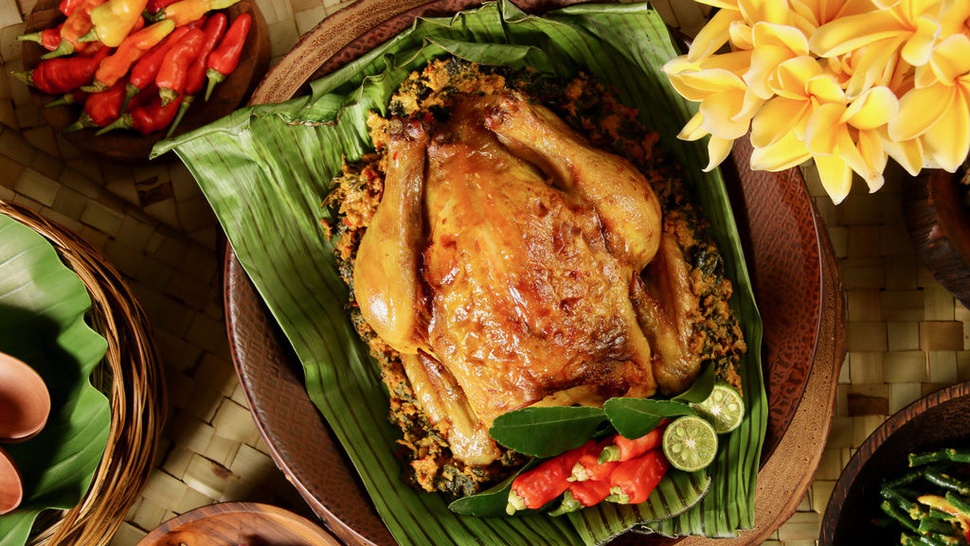
You can’t talk about Balinese food without mentioning Ayam Betutu. This iconic dish features chicken (or duck) that’s marinated in a rich blend of Balinese spices and slowly cooked until it’s incredibly tender.
Traditionally, Ayam Betutu takes up to 12 hours to cook, often wrapped in banana leaves and roasted underground or over hot coals. The result? A smoky, spicy, and aromatic dish where the flavors seep deep into the meat. Modern versions might skip the traditional oven, but they still bring that unbeatable mix of chili, turmeric, lemongrass, garlic, and galangal.
Pro tip: The best way to enjoy Ayam Betutu is right in Bali. There’s just something special about tasting it on the island where it was born.
Kakul Pan Putu: A Hidden Gem in Denpasar
Kakul is the Balinese word for freshwater snails or small clams. It might sound unusual, but kakul dishes are local favorites, especially in areas like Jl. Achmad Yani Utara, Denpasar.
You’ll find kakul soup, stir-fried kakul, kakul satay, and even kakul skewers. These dishes aren’t just tasty—they’re also believed to help with high blood pressure.
If you’re adventurous and curious about unique island flavors, this one’s worth adding to your foodie list.
Krupuk Klejat: Crunchy Coastal Delicacy
Ever tried klejat? It’s a type of seashell or coastal mollusk commonly found along Denpasar’s shores. Locals harvest and process klejat into delicious crispy crackers known as krupuk klejat.
These savory snacks are light, crispy, and perfect as a side dish or a beachside treat. They’re also a great souvenir to bring home—packed with ocean flavor and crunch.
Seaweed Salad Bali-Style (Bulung)
While seaweed is usually seen in desserts or jellies in many parts of the world, Bali does it differently. The Balinese use a variety called Kappaphycus alvarezii, locally known as bulung, and serve it as a main dish or side salad.
This seaweed is boiled, mixed with chili, shallots, coconut shreds, and then topped with pindang fish broth—a savory soup base made from simmered fish.
It’s a healthy, refreshing, and umami-packed dish you can commonly find around Serangan and Denpasar.
Babi Guling: Bali’s Famous Suckling Pig
Babi Guling is arguably Bali’s most celebrated pork dish. Prepared from a young pig, the meat is marinated with bumbu genep—a traditional Balinese spice mix made from over 15 ingredients including turmeric, ginger, galangal, shallots, and shrimp paste.
The belly is stuffed with aromatic herbs and young coconut leaves, then the whole pig is roasted over an open flame for hours. The skin becomes incredibly crispy while the meat stays juicy and flavorful.
Usually served with lawar, steamed rice, and jukut ares (a banana stem soup), this is a feast you don’t want to miss—though it’s mostly non-halal and best suited for non-Muslim travelers.
Lawar: A Unique Balinese Salad
Lawar is a flavorful mix of vegetables, grated coconut, and traditional spices. Sometimes, minced meat or animal blood is added (but vegetarian versions exist too). It’s commonly made with bean sprouts, long beans, lemongrass, and shredded coconut.
Think of it like Bali’s version of urap, but with a twist. Some versions are grilled, steamed, or even raw, depending on the family recipe or the region.
Lawar is often served alongside larger dishes like Babi Guling or Ayam Betutu, but it can stand on its own too.
Sate Lilit: Bali’s Signature Skewers
If you’ve had Indonesian satay before, Sate Lilit is a different experience altogether.
Instead of skewering meat chunks, Balinese people grind chicken, pork, fish, or shrimp into a fine paste, mix it with shredded coconut and spices, and then wrap (or “lilit”) the mixture around a stick—usually a lemongrass stalk or bamboo skewer.
The satay is then grilled over hot coals, infusing it with smokiness and a touch of lemongrass aroma. Sate Lilit is juicy, flavorful, and perfectly portioned for snacking.
This one’s a must-try for seafood lovers and a Balinese dish you’ll crave long after your trip ends.
So Much More to Taste in Bali
While these dishes are among the most popular, Bali’s culinary landscape is incredibly diverse. Other notable mentions include:
- Serombotan: A spicy mix of vegetables from Klungkung
- Tipat Cantok: Rice cake with peanut sauce
- Jaje Bali: A variety of colorful traditional Balinese sweets
Wherever you go on the island, there’s always something delicious, affordable, and full of cultural meaning waiting on your plate.
Final Thoughts: A Cultural Journey Through Food
Balinese food is more than just nourishment—it’s a form of storytelling. Each dish is deeply rooted in ceremony, local wisdom, and the daily lives of Balinese people.
So next time you find yourself wandering the rice fields of Ubud or the beaches of Sanur, make it a point to eat like a local. Your taste buds—and your travel memories—will thank you.
