

Close Menu
Saibumi | Uncovering Asia, One Story at a Time
    What's Hot

    Indonesia’s National Nutrition Agency Leadership Change Draws International Attention

    June 3, 2026

    Indonesia’s Biodiesel Shift: B50 Plan Put on Hold, Raising Questions for Global Palm Oil Markets

    January 14, 2026

    Elephants Help Clear Wooden Debris After Aceh Disaster

    December 27, 2025
    Facebook X (Twitter) Instagram
    Saibumi | Uncovering Asia, One Story at a TimeSaibumi | Uncovering Asia, One Story at a Time
    • About Us
    • Contact Us
    • Advertise
    Facebook X (Twitter) Instagram YouTube LinkedIn Reddit
    • Home
    • Stories

      The Global Plastic Treaty Fails Again – What Does It Mean for the Planet?

      August 27, 2025

      Puru Kambera Savanna: Tracing the Wild Horses of East Sumba

      August 25, 2025

      West Sumatra Emerges as a Leading Muslim-Friendly Travel Destination

      August 24, 2025

      Tabola Bale Song: The Viral Music Blend From Eastern Indonesia

      August 20, 2025

      Tanjung Karang Beach: An Underwater Paradise in Donggala

      August 20, 2025
    • Travel

      Know the Types of Snakes in the Wild & What to Do If You Get Bitten

      December 27, 2025

      Thailand Named the Best Food Country in the World 2025 — Beating Italy and Japan

      October 14, 2025

      Dieng Plateau Officially Designated as Indonesia’s Newest National Geopark

      September 29, 2025

      The Culture of Souvenirs: How Indonesians Strengthen Workplace Relationships Through Oleh-oleh

      September 29, 2025

      6 Best Coffee Shops in Asia – And Yes, One of Them Is in Indonesia!

      September 28, 2025
    • Culture
    • Lifestyle
      1. Food & Culture
      2. Green Living
      3. Local Life
      4. Modern Living
      5. People & Inspiration
      6. View All

      Gen Z in Indonesia and the Global “Escape Culture”: Why Many Are Saying #KaburAjaDulu

      October 20, 2025

      The Export of Indonesian Specialty Products: How Local Ingredients Are Becoming Global Brands

      October 20, 2025

      From Training to Takeoff: MKP’s Approach to Responsible Worker Preparation

      October 18, 2025

      Thailand Named the Best Food Country in the World 2025 — Beating Italy and Japan

      October 14, 2025

      List of Plants That Attract and Repel Snakes Around the House

      October 20, 2025

      Bird-Friendly Coffee in Lampung: Wild Birds Help Farmers Control Pests Naturally

      September 23, 2025

      Standing Still Like a Stick: How Tree Snakes Outsmart Predators with Vertical Sleep

      July 17, 2025

      Not a Cat, Not a Snake — Meet the Plant That Can Eat Rats

      July 12, 2025

      #KaburAjaDulu: When Young Indonesians Feel Like Escaping Is the Only Way to Survive

      October 9, 2025

      The Culture of Souvenirs: How Indonesians Strengthen Workplace Relationships Through Oleh-oleh

      September 29, 2025

      How Remote Work and Digitalization Are Transforming Indonesian Work Culture

      September 28, 2025

      Staying Healthy in Unpredictable Weather: Indonesian Habits the World Can Learn From

      September 21, 2025

      Gen Z in Indonesia and the Global “Escape Culture”: Why Many Are Saying #KaburAjaDulu

      October 20, 2025

      Indonesia’s Beauty Industry Is Having a Major Glow-Up

      July 1, 2025

      Why Indonesian Coffee Is the Next Big Thing Among Global Freelancers

      June 30, 2025

      The Culture of Souvenirs: How Indonesians Strengthen Workplace Relationships Through Oleh-oleh

      September 29, 2025

      The Indonesian Work Culture: Harmony and Gotong Royong in Action

      September 16, 2025

      Southeast Asian Solidarity: Citizens Rally Behind Indonesian Protesters Amid Police Violence

      September 6, 2025

      What Germans Can Learn from the Philosophy of Gotong Royong

      July 16, 2025

      Gen Z in Indonesia and the Global “Escape Culture”: Why Many Are Saying #KaburAjaDulu

      October 20, 2025

      #KaburAjaDulu: When Young Indonesians Feel Like Escaping Is the Only Way to Survive

      October 9, 2025

      The Indonesian Work Ethic: Why Global Teams Trust Indonesian Professionals

      October 2, 2025

      Why Indonesian Talents Are the Best Choice for Global Companies

      October 2, 2025
    • Local Business
    Subscribe
    Saibumi | Uncovering Asia, One Story at a Time
    Home » Indonesia’s Tea Export Potential: Reviving a National Treasure
    Agriculture

    Indonesia’s Tea Export Potential: Reviving a National Treasure

    Editor DeskBy Editor DeskJuly 7, 2025Updated:July 7, 2025No Comments6 Mins Read
    Facebook Twitter Pinterest LinkedIn Tumblr Email
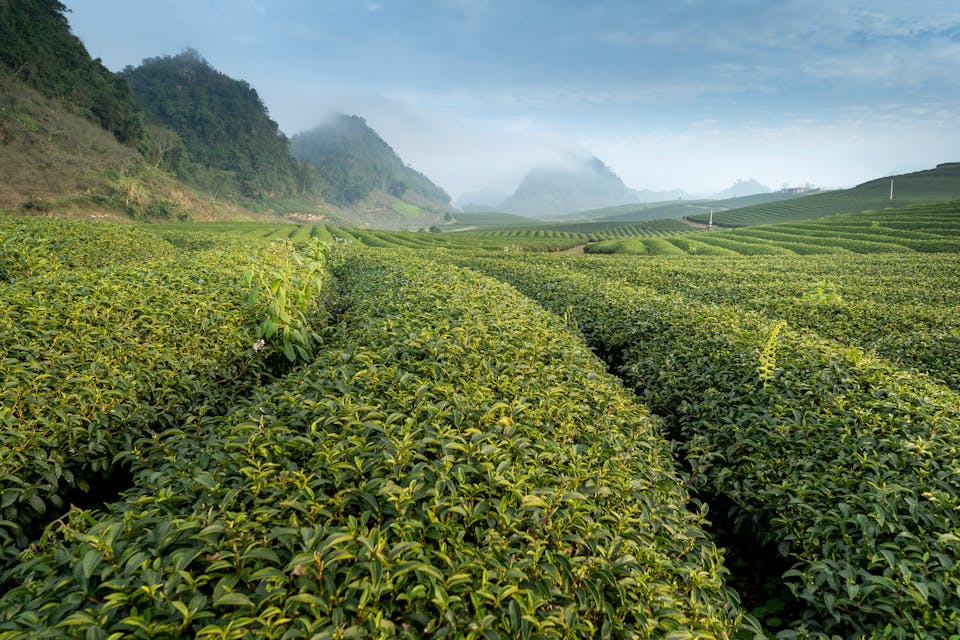
    Foto oleh Quang Nguyen Vinh: https://www.pexels.com/id-id/foto/perkebunan-hijau-2884905/
    Share
    Facebook Twitter LinkedIn Pinterest Email Copy Link

    Tea is one of the most consumed beverages in the world, and for good reason. It’s comforting, versatile, and deeply rooted in cultures across continents. But did you know that Indonesia, with its lush landscapes and rich colonial history, was once a powerhouse in global tea production?

    Today, Indonesia still plays a key role, but its tea industry faces challenges that could hinder its global potential. From aging plantations and climate change to competition from palm oil, there’s a lot to unpack. Yet, the good news is this: Indonesia still has the chance to reclaim its spot among the tea giants—if it plays its cards right.

    Let’s dive deep into Indonesia’s tea sector, its export potential, and the road ahead.


    Ideal Conditions, Global Demand

    Tea thrives in consistent climates with moderate temperatures and humidity—traits commonly found in tropical and subtropical highlands of Asia. It’s no surprise then that over 60% of the world’s tea is cultivated in this region. Countries like China and India dominate the market, accounting for nearly half of global production.

    Indonesia, with its cooler highlands and historical plantations, is perfectly suited for tea. However, despite the natural advantage, the country’s production has been declining due to a mix of mismanagement, aging crops, and shifting priorities.


    A Rich Legacy, a Struggling Present

    Foto oleh Mareefe: https://www.pexels.com/id-id/foto/1417945/

    Tea cultivation in Indonesia dates back to the Dutch colonial era. The country used to be a major player in the global tea market. But since the early 2000s, the industry has been in decline—largely due to low profitability and outdated farming methods.

    Many smallholder farmers, who own over 50% of the tea plantations, have switched to more lucrative crops like palm oil and vegetables. Still, demand—especially domestic demand—has been growing, driven by Indonesia’s booming beverage industry and increasing consumption among younger consumers.

    SEE ALSO  The Land of the Dead: Unveiling the Toraja People’s Sacred Funeral Traditions

    Numbers That Matter

    As of 2014, Indonesia had about 121,000 hectares of tea plantations. West Java leads the charge with nearly 90,000 hectares, accounting for roughly 70% of national production. Yet, this area is shrinking year by year, with a reported decrease of over 1,100 hectares annually.

    In terms of output, Indonesia currently produces around 140,000–147,000 tons of tea per year. That’s a far cry from India’s 1 million tons or Sri Lanka’s 329,000 tons. In fact, Indonesia’s tea output has dropped by 1.7% annually over the past decade, while competitors continue to grow.


    Export Landscape

    Nearly half of Indonesia’s tea production is exported, with key markets including Russia, the UK, Pakistan, Malaysia, and the US. In 2015, Indonesia exported around 70,000 tons, generating about IDR 2 trillion in foreign exchange. But there’s a catch: only 6% of those exports were value-added products. The rest? Bulk tea.

    Bulk exports mean lower margins and missed opportunities for branding and differentiation—two things modern consumers increasingly value. Meanwhile, processed tea products in the domestic market alone generate nearly IDR 10 billion annually—five times the value of exports.


    Domestic Challenges

    Indonesia’s tea consumption per capita remains relatively low—just 0.32 kg per year in 2014, compared to the global average of 0.57 kg and Turkey’s whopping 7.54 kg. With much of the high-quality tea being exported, the domestic market is left with lower-quality leaves, often processed by smallholders without access to modern equipment or best farming practices.

    Worse yet, many of these small-scale farmers lack financial resources, agricultural training, and access to high-quality clones. Most still grow tea from seeds, resulting in lower yields—about 900 kg per hectare compared to the ideal 2,500 kg/ha.

    SEE ALSO  Can Indonesia’s Small Islands Ever Be Free from Plastic Waste?

    External Pressures: Climate and Regulation

    Climate change is hitting Indonesia’s tea plantations hard. Even a 1°C rise in temperature can reduce tea yields by up to 5%. Events like El Niño have devastated crops, causing production drops of up to 30% in some years. In regions like Puncak, Bogor, higher temperatures have become a serious concern.

    Then there’s the anthraquinone issue—a compound found in some Indonesian teas that led to bans in the European Union starting in 2015. EU regulations limit anthraquinone to just 0.02%, a threshold some Indonesian teas exceed. Although the cause remains unclear, this has become a significant trade barrier, especially for high-end European markets.


    Infrastructure and Labor

    Another thorn in the industry’s side is infrastructure. Poor logistics—from plantation to processing to retail—means higher costs and reduced efficiency. Combine that with rising minimum wages (tea is labor-intensive, with most leaves still handpicked), and it’s no wonder margins are tight.

    In response, the Indonesian Ministry of Agriculture pledged to double funding for tea plantation revitalization in 2014, focusing on West Java. Plans include distributing fertilizers, seeds, and supporting replanting over 3,200 hectares. It’s a solid start—but more long-term strategies are needed.


    Export Opportunities Beyond Europe

    While the EU is a tough nut to crack, Indonesia still has vast untapped export opportunities in non-EU markets. The US, for instance, saw a 33% increase in tea imports from Indonesia in 2016, amounting to $9 million. Specialty teas—like black and green varieties—are increasingly sought after.

    On the flip side, exports to Pakistan dropped by over 60% in the same year, signaling the volatile nature of traditional markets. Diversification is key.

    SEE ALSO  Discover Sego Tempong: The Spicy Banyuwangi Dish That Packs a Punch

    Quality That Deserves Global Recognition

    Foto oleh Ahmed Aqtai: https://www.pexels.com/id-id/foto/mug-gelas-2013749/

    Indonesian teas, especially those from West Java, are rich in catechins—natural antioxidants—and boast unique aroma profiles. This quality has not gone unnoticed. In 2018, Indonesian teas won several awards at the AVPA “Teas of the World” competition in Paris. Brands like Bankitwangi and Harendong Oolong received international acclaim, proving Indonesia’s potential on the world stage.

    These accolades stem from a 2018 seminar in Bandung that encouraged producers to seek international certifications—another crucial step in market expansion.


    The Way Forward

    So, what can be done to unlock Indonesia’s tea export potential?

    1. Upgrade Farming Practices – Encourage smallholders to switch from seed-based planting to high-yield clones.
    2. Invest in Processing Facilities – More processed tea means higher margins.
    3. Expand Branding and Marketing – Bulk tea won’t cut it anymore. Consumers want a story, a brand, a connection.
    4. Strengthen Infrastructure – From farm to port, smoother logistics mean cost savings and fresher exports.
    5. Tackle Anthraquinone – Scientific research and cleaner production methods are critical to re-enter the EU.

    Conclusion: Brewing a Better Future

    Indonesia’s tea industry is at a crossroads. While its global rank has slipped, the country still holds immense potential. With the right strategy, support for smallholders, and focus on quality and branding, Indonesian tea could rise once more—not just as a commodity, but as a global cultural icon.

    In a world where tea consumption is expected to grow 3% annually, the time to act is now. For Indonesia, it’s not just about exporting tea—it’s about exporting pride, tradition, and taste in every cup.

    black tea climate change agriculture export opportunities global tea market green tea Indonesian agriculture Indonesian smallholders Indonesian tea tea awards tea branding tea business tea export tea farming challenges tea industry Indonesia tea plantation
    Share. Facebook Twitter Pinterest LinkedIn Tumblr Email
    Previous ArticleReog Ponorogo: From a Symbol of Resistance to a Living Cultural Legacy
    Next Article Beyond Rinjani: 5 Most Dangerous Mountains to Hike in Indonesia
    Editor Desk
    • Website

    Related Posts

    Economy

    Indonesia’s National Nutrition Agency Leadership Change Draws International Attention

    By Editor DeskJune 3, 2026
    Don't Miss

    Indonesia’s Biodiesel Shift: B50 Plan Put on Hold, Raising Questions for Global Palm Oil Markets

    By Editor DeskJanuary 14, 2026
    Disaster & Environment

    Elephants Help Clear Wooden Debris After Aceh Disaster

    By Editor DeskDecember 27, 2025
    Don't Miss

    Know the Types of Snakes in the Wild & What to Do If You Get Bitten

    By Editor DeskDecember 27, 2025
    Digital Life

    Gen Z in Indonesia and the Global “Escape Culture”: Why Many Are Saying #KaburAjaDulu

    By Editor DeskOctober 20, 2025
    Agriculture

    The Export of Indonesian Specialty Products: How Local Ingredients Are Becoming Global Brands

    By Editor DeskOctober 20, 2025
    Add A Comment
    Leave A Reply Cancel Reply

    Don't Miss

    Indonesia’s National Nutrition Agency Leadership Change Draws International Attention

    By Editor DeskJune 3, 2026

    Indonesia has attracted international attention following a recent leadership change at the National Nutrition Agency,…

    Indonesia’s Biodiesel Shift: B50 Plan Put on Hold, Raising Questions for Global Palm Oil Markets

    January 14, 2026

    Elephants Help Clear Wooden Debris After Aceh Disaster

    December 27, 2025

    Know the Types of Snakes in the Wild & What to Do If You Get Bitten

    December 27, 2025
    Top Posts

    Indonesia’s National Nutrition Agency Leadership Change Draws International Attention

    June 3, 2026

    Experience the Charm of Labuan Bajo’s Pinisi Boat Right Here in Lampung: Discover the Legendary Maritime Heritage of Indonesia

    June 30, 2025

    Must-Know: 5 Traditional Dances from Lampung You’ll Often Encounter

    June 30, 2025

    What to Do When You See a Snake: A Practical Guide for Everyday Life in Sumatra

    June 30, 2025
    Stay In Touch
    • Facebook
    • Twitter
    • Instagram
    • YouTube
    About Us
    About Us

    Saibumi International brings authentic stories, cultural depth, and off-the-radar destinations from Indonesia and the wider Asian region — crafted for readers who want more than surface-level travel and headlines.

    Facebook X (Twitter) YouTube Reddit
    Our Picks

    Indonesia’s National Nutrition Agency Leadership Change Draws International Attention

    June 3, 2026

    Indonesia’s Biodiesel Shift: B50 Plan Put on Hold, Raising Questions for Global Palm Oil Markets

    January 14, 2026

    Elephants Help Clear Wooden Debris After Aceh Disaster

    December 27, 2025
    Most Popular

    Indonesia’s National Nutrition Agency Leadership Change Draws International Attention

    June 3, 2026

    Experience the Charm of Labuan Bajo’s Pinisi Boat Right Here in Lampung: Discover the Legendary Maritime Heritage of Indonesia

    June 30, 2025

    Must-Know: 5 Traditional Dances from Lampung You’ll Often Encounter

    June 30, 2025
    • Home
    • About Us
    • Advertise
    • Contact Us
    © 2026 Saibumi International. SEO & Web by Dkonten Studio

    Type above and press Enter to search. Press Esc to cancel.